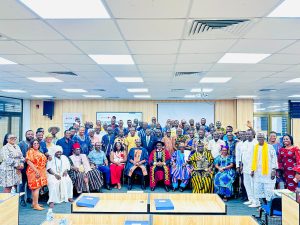
The University of Professional Studies, Accra (UPSA), through its Research and Consultancy Centre (RCC), has partnered the Narcotics Control Commission (NACOC) to mark the 2026 International Day Against Drug Abuse and Illicit Trafficking with a strong call for evidence-based, multi-sectoral action to protect young people from substance abuse. The commemoration, held on Friday, 26 June 2026, was on the theme, “The World Drug Problem: Persisting Issues, New Challenges, Innovative Responses.”
The event brought together government officials, security agencies, researchers, students, traditional leaders and other stakeholders to reflect on Ghana’s evolving substance abuse challenge and to consider practical interventions in prevention, treatment, rehabilitation and community support.
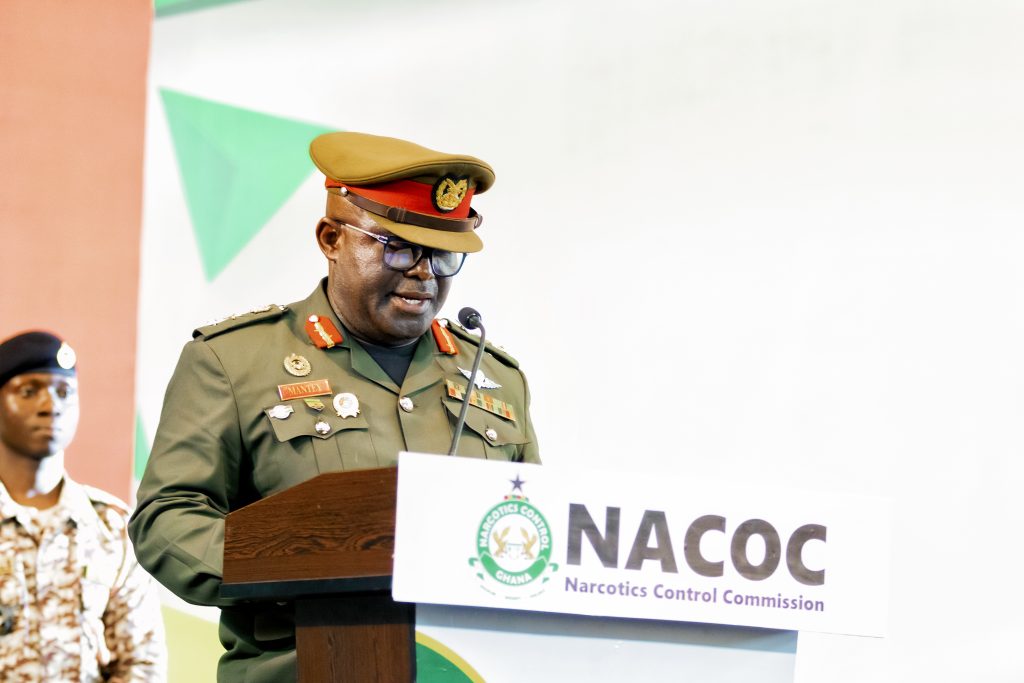
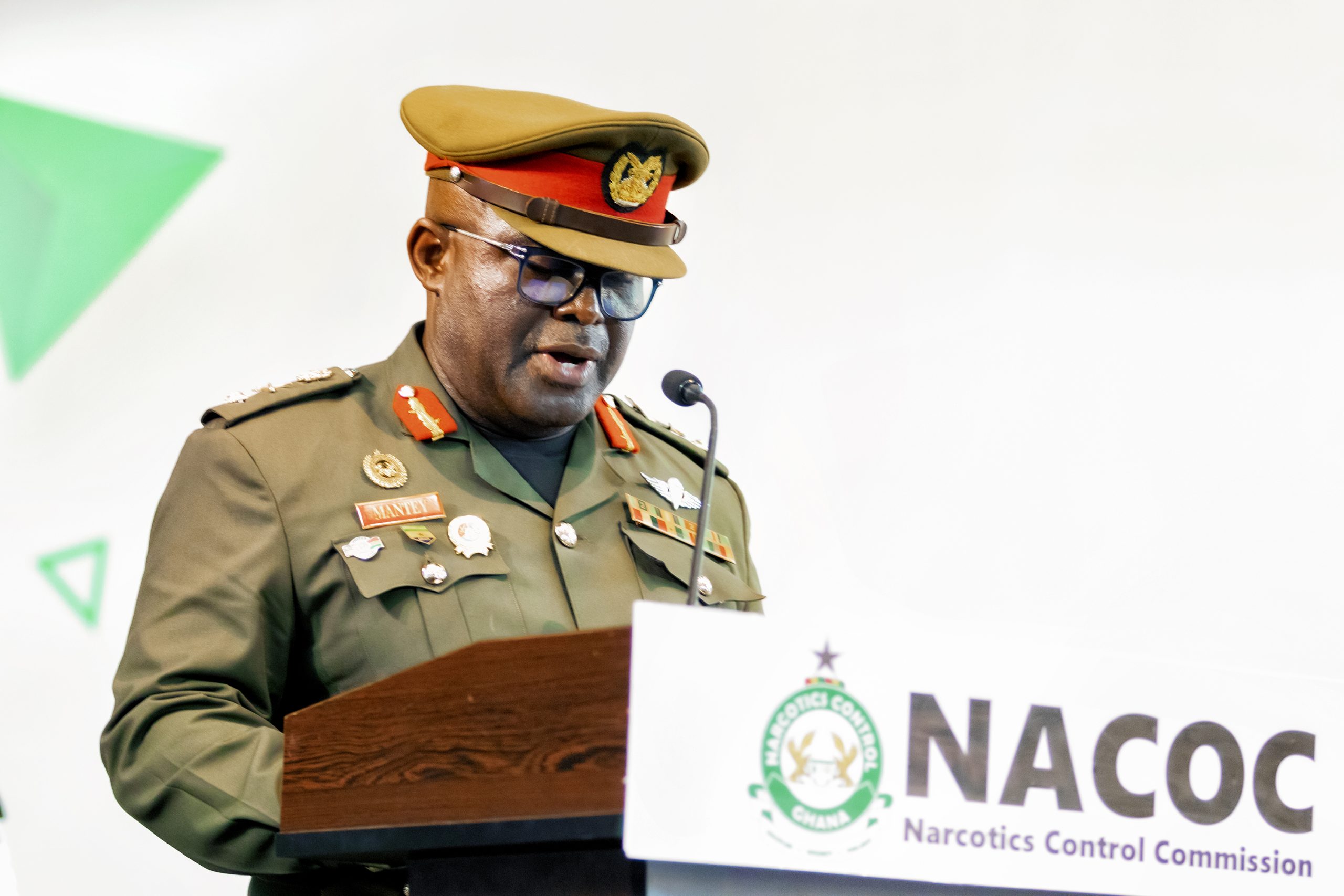
Delivering the keynote address, the Director-General of NACOC, Brigadier General Maxwell Obuba Mantey, said the global campaign against drug abuse had entered its fourth decade, yet the problem continued to present complex public health, social and security concerns.
He stressed that drug dependence must be treated primarily as a public health issue rather than through stigma, fear or misconceptions. He therefore called for increased national investment in treatment and rehabilitation facilities to ensure that persons battling substance dependence receive timely professional support.
Brigadier General Mantey also encouraged individuals struggling with substance abuse to seek help early, while urging students and young people to resist experimentation with illicit substances, noting that such choices could undermine their academic progress, personal wellbeing and future careers.
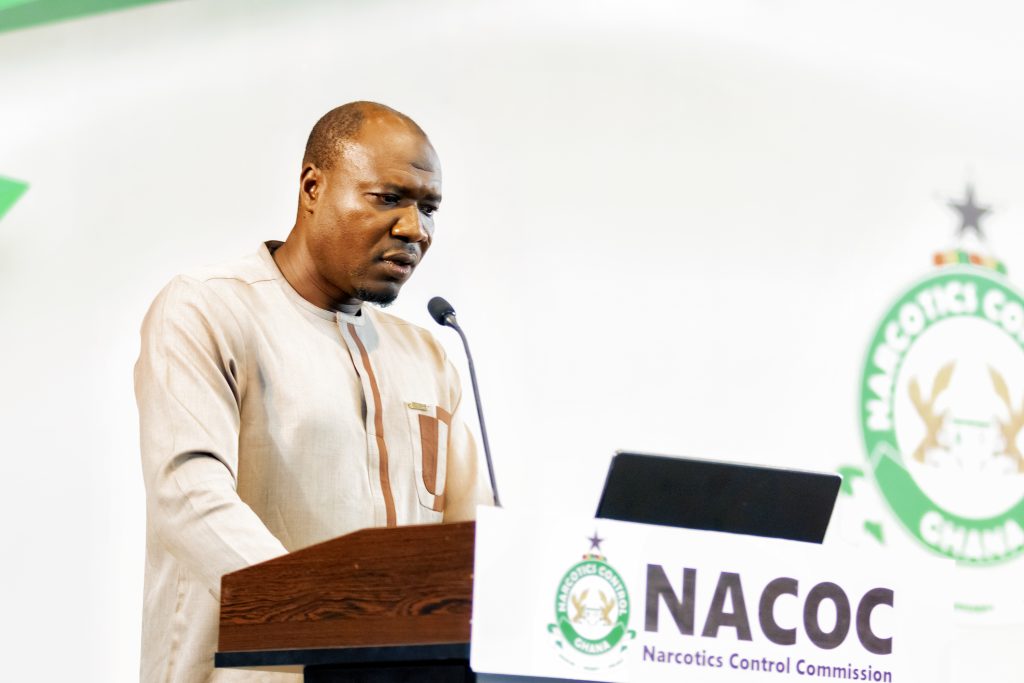
As part of the commemoration, UPSA-RCC presented findings from a baseline study on youth substance use in the La Nkwantanang-Madina Municipality. The study, approved by the Vice-Chancellor, Professor John Kwaku Mensah Mawutor, forms part of the University’s commitment to research that responds to pressing national and community development challenges.
Presenting the findings, Dr Salifu Adam of UPSA-RCC said the study analysed 1,039 valid responses from young people aged 15 to 35 across five suburbs: Madina, Teiman, West Adenta, Pantang and Oyarifa. The research was supervised by the Director of RCC, Professor Alexander Diani Kofi Preko.
The study revealed that 45.1 per cent of respondents had used a substance for non-medical or recreational purposes at some point in their lives. Madina emerged as the major hotspot, recording a lifetime prevalence rate of 73.5 per cent, while Pantang recorded the lowest rate among the five suburbs.

Alcohol was identified as the most commonly used substance, with 40.8 per cent of respondents reporting use. The findings further showed that substance use among young people was influenced by peer pressure, stress, unemployment, curiosity, weak family support, easy availability of substances and social media influence.
The study also found that approximately 84 per cent of individuals who attempted to stop using substances eventually relapsed, underscoring the need for structured support beyond awareness creation.
It recommended that Madina be designated as a priority intervention zone, alongside intensified public education, peer-refusal skills training, counselling support, community-based cessation groups, family-based prevention programmes and stronger collaboration with health institutions, including Pantang Hospital.

The Minister for Education, Haruna Iddrisu, underscored the need to strengthen preventive education within schools, noting that educational institutions have a critical role in shaping responsible behaviour and protecting young people.
The event was attended by the Chief of Staff, Dr Julius Debrah; the Minister for the Interior, Muntaka Mohammed-Mubarak; officials of NACOC; security services; traditional leaders; students; and other stakeholders.
UPSA and NACOC reaffirmed their commitment to research-driven policy, prevention, rehabilitation and sustained collaboration in addressing substance abuse as a public health, education, family and community safety issue.