
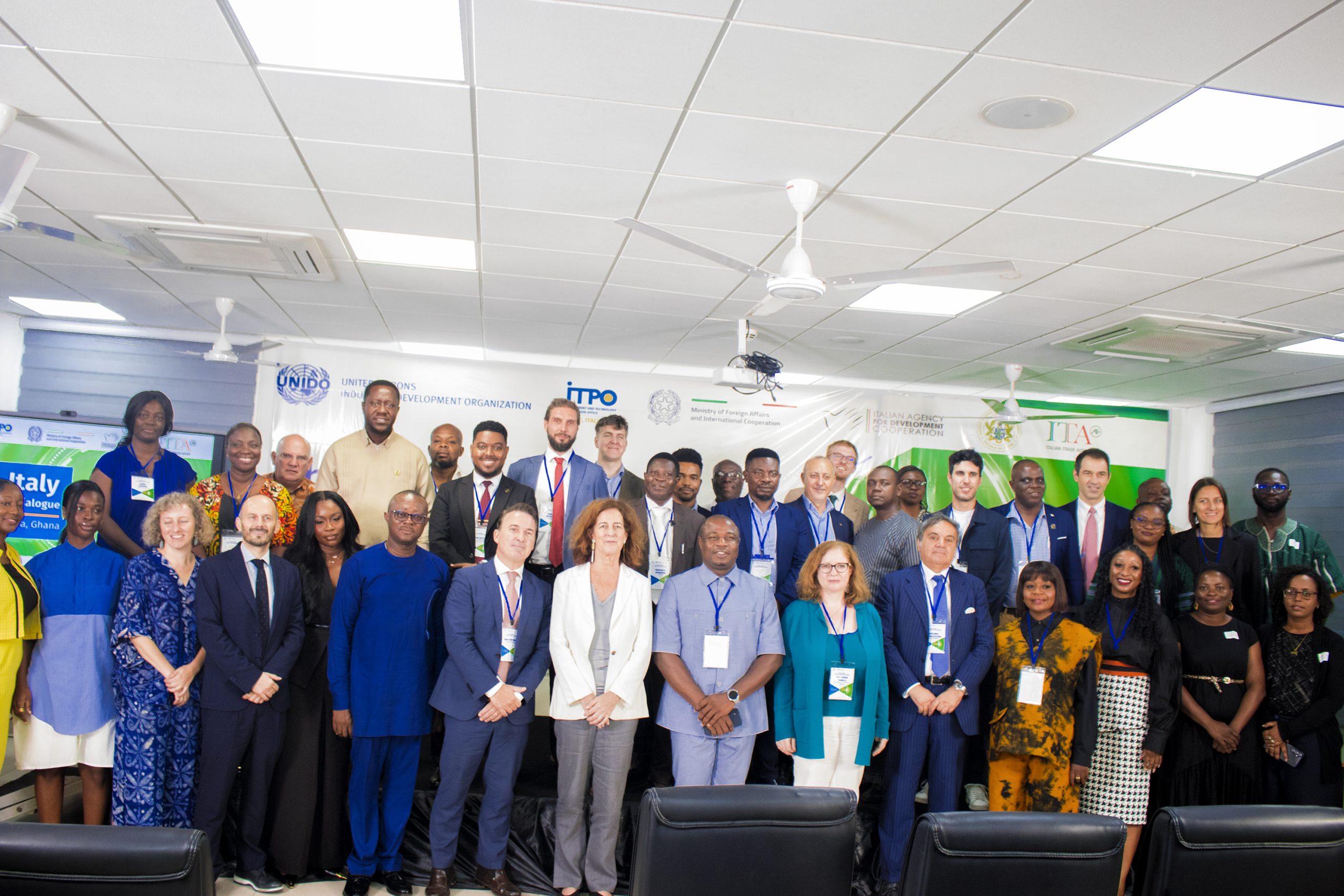
The University of Professional Studies, Accra (UPSA), has hosted a high-level Ghana–Italy Circular Economy Dialogue to strengthen partnerships and explore practical pathways for sustainable industrial transformation.
The two-day engagement, which runs from 16 to 17 June 2026, brought together government officials, diplomats, development partners, academia and industry leaders to deliberate on Ghana’s circular economy prospects and the opportunities for deeper Ghana–Italy cooperation.
Organised by the Italian Agency for Development Cooperation, the dialogue focused on scaling solutions for a green transition, with particular attention to policy, innovation, enterprise development and sustainable production systems.
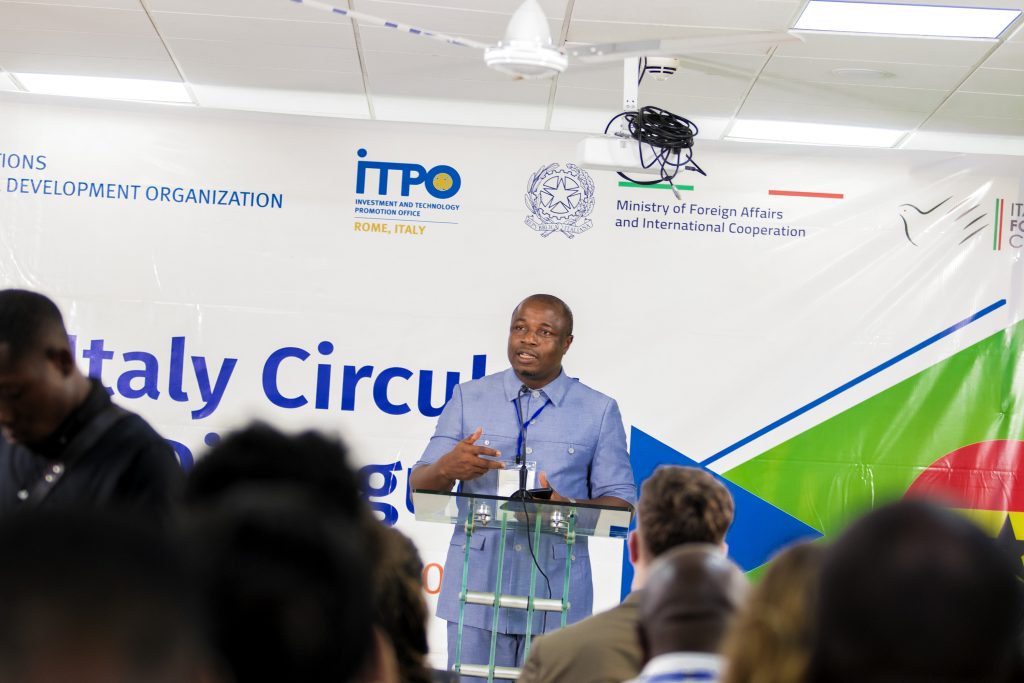
Opening the event, the Vice-Chancellor of UPSA, Professor John Kwaku Mensah Mawutor, said the transition to a circular economy required businesses to rethink conventional production and consumption models in favour of efficiency, innovation and environmental responsibility.
He noted that Italy offered useful lessons in integrating sustainability into enterprise and national development, adding that Ghanaian businesses could draw valuable insights from the Italian experience.
“It is time Ghanaian businesses learn from that model,” Prof. Mawutor said.
The Vice-Chancellor said UPSA was contributing to this transformation by preparing students to become solution-oriented entrepreneurs and employers of labour.
He disclosed that the University had introduced a mandatory entrepreneurship course for all first-year students as part of efforts to equip them with practical enterprise skills.
“We want to change the mindset of the ordinary Ghanaian by empowering our students with practical skills to become entrepreneurs and employers rather than job seekers,” he stated.
Prof. Mawutor also announced the University’s plans to establish a laptop assembly plant, describing the initiative as a practical step towards promoting innovation, entrepreneurship, and technological advancement among students.
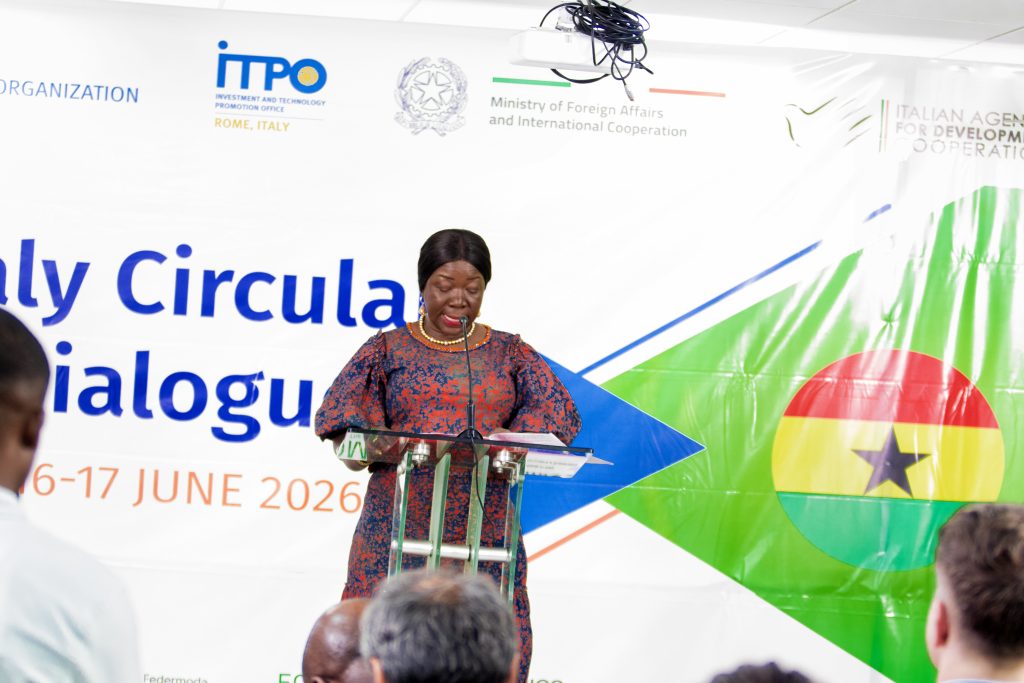
The Minister for Trade, Agribusiness and Industry, Hon. Elizabeth Ofosu-Adjare, reaffirmed the Government’s commitment to building an enabling environment for sustainable business growth. She commended UPSA for providing a platform that brought together diverse stakeholders to examine practical solutions for green industrial development.
The Italian Ambassador to Ghana, Her Excellency Laura Ranalli, described the dialogue as timely, especially as countries seek innovative responses to environmental and economic pressures. She urged participants to move beyond discussion and commit to practical solutions through collaboration at all levels.
“We should not only discuss ideas but commit ourselves to implementing practical solutions through collaboration and partnerships,” she said.

The Director-General of E4Impact Foundation, Mr Fabio Petroni, praised the institution’s collaboration with his organisation, describing the partnership with UPSA as one of the strongest in Africa. He expressed optimism that the collaboration would continue to support entrepreneurship and sustainable development across the continent.
Ms Emanuela Forcella of the Italian Agency for Development Cooperation said the dialogue reflected the shared commitment of Ghana and Italy to advancing circular economy principles. She commended UPSA for championing conversations that connect sustainability, enterprise and national development.
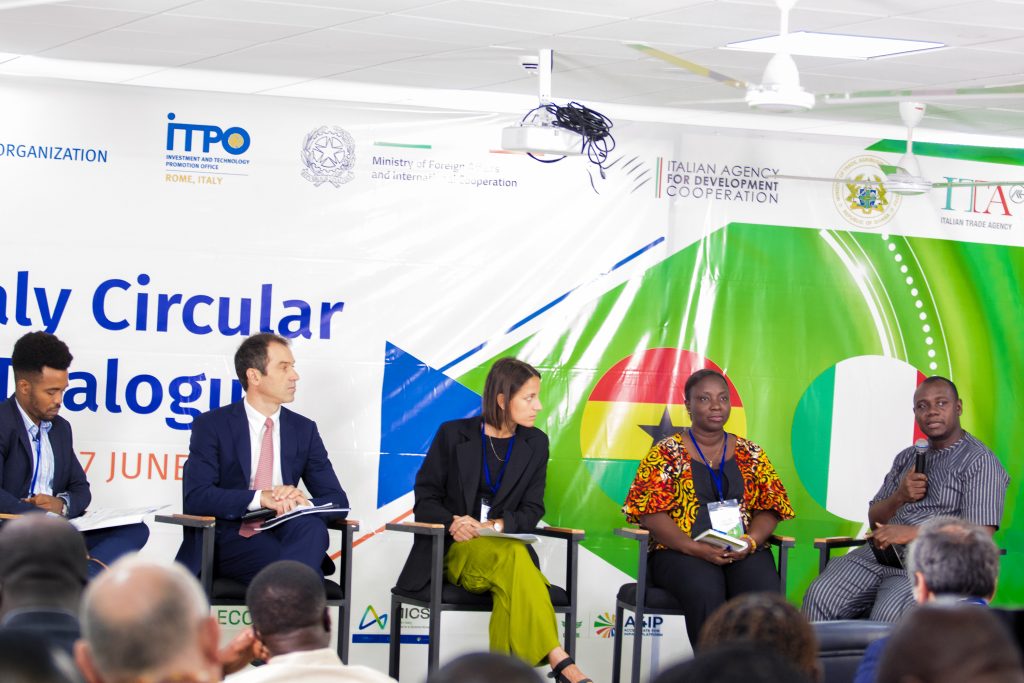
The programme featured panel discussions and expert engagements on circular economy and green industrial transformation, sustainable textiles and circular fashion value chains, e-waste management, circular agribusiness and green entrepreneurship.
Participants examined policy frameworks, investment prospects, technology options and cross-sector partnerships needed to accelerate Ghana’s transition to a more sustainable and resilient industrial economy.
The Ghana–Italy Circular Economy Dialogue forms part of broader efforts to deepen bilateral cooperation while fostering innovation, entrepreneurship and sustainable industrial development for shared prosperity.