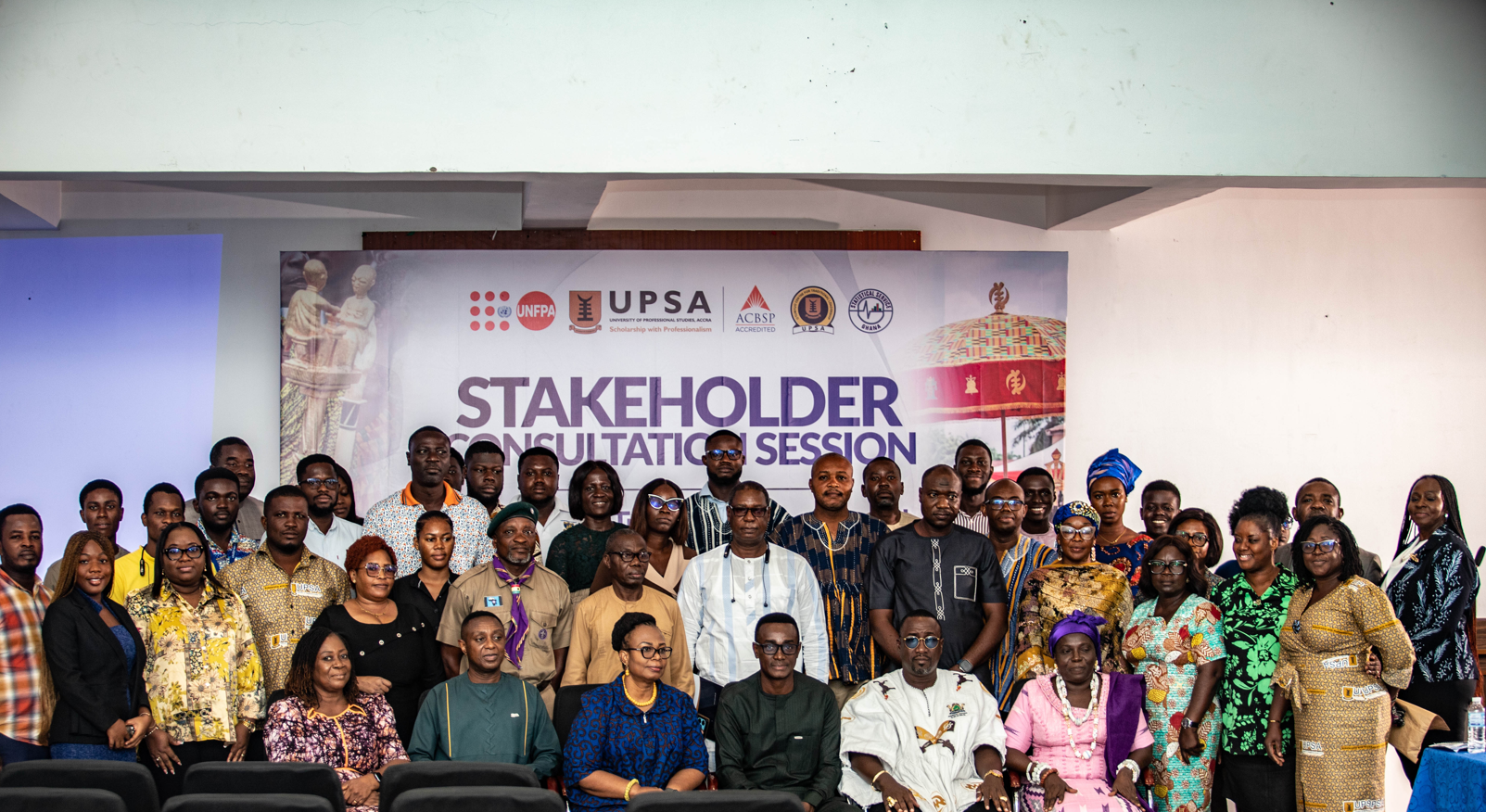
The University of Professional Studies, Accra (UPSA), through the Otumfuo Centre for Traditional Leadership, has hosted a national stakeholder consultation on traditional norms and cultural practices in Ghana. The session, held on Wednesday, 29 April 2026, brought together academics, development partners and key stakeholders to deliberate on findings from a nationwide research project examining the evolving role of cultural practices across the country.
The consultation focused on a study that documents traditional norms and practices among selected cultural groups in Ghana, with the aim of generating evidence to inform policy, strengthen social cohesion and promote inclusive development.
Speaking at the event, the Pro-Vice-Chancellor of UPSA, Prof. Emmanuel Selase Asamoah, described the consultation as timely, particularly in the context of national conversations on culture, human dignity, gender equality and social justice.
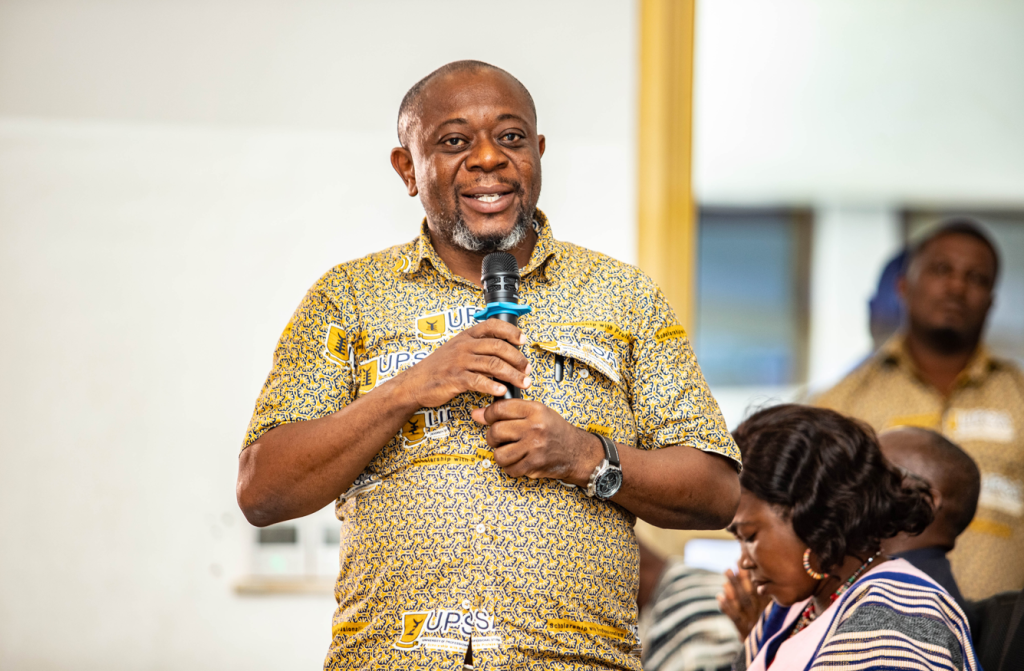
He noted that the study provides important empirical insights into the relationship between tradition and contemporary development priorities, adding that such evidence is critical for policy formulation.
According to Prof. Asamoah, a careful understanding of Ghana’s cultural systems is essential to preserving positive traditional values while addressing practices that may undermine human rights, dignity and equitable development.
The Director of the Research and Consultancy Centre (RCC) at UPSA and facilitator for the consultation, Prof. Alexander Preko, underscored the importance of cultural norms in shaping identity, community life and social organisation.
He observed that while many traditional practices continue to promote unity, resilience and social cohesion, others reinforce inequality, discrimination and exclusion.
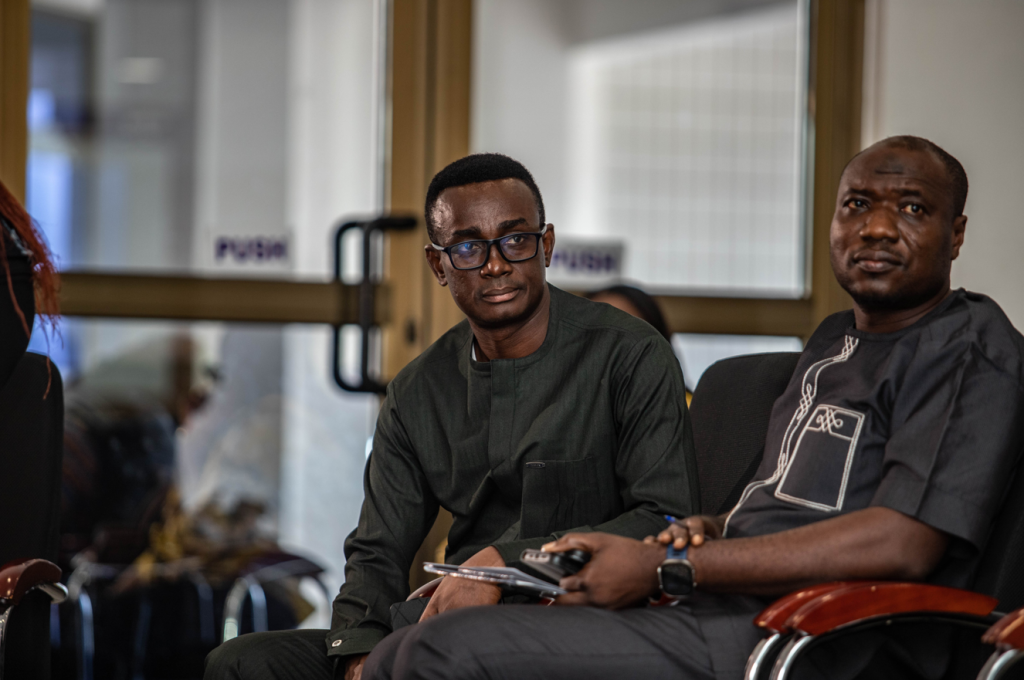
“The study examines positive, harmful, discarded and disappearing practices across cultural groups in Ghana, with particular attention to human rights, gender equality, sexual and reproductive health and rights, gender-based violence, youth empowerment, education, healthcare access and sustainable development,” Prof. Preko explained.
The research covered six major cultural groupings in Ghana: Akan, Ewe, Ga-Adangbe, Mole-Dagbon, Guan and Gurma. It provides a broad national perspective on how traditions have evolved over time and how they continue to influence community life and social development.
Among its key findings, the study identified a number of practices that have been discarded over the years, including certain death-related rituals, virginity testing, prolonged widowhood restrictions and marriage exchanges.
It also highlighted practices that are gradually disappearing, including traditional marriage values, community-based parenting, the use of indigenous languages, puberty rites and twin rites.
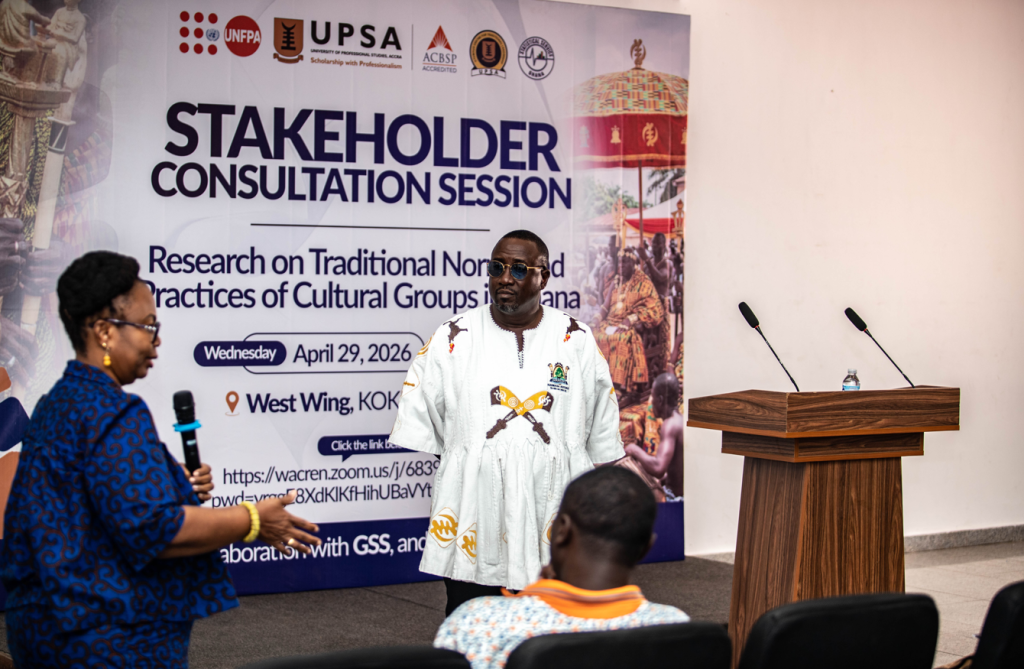
Representing the United Nations Population Fund (UNFPA), Dr Doris Mawusi Agblobitse reaffirmed the organisation’s commitment to supporting research and interventions aimed at eliminating gender-based violence and harmful traditional practices.
She stressed the need for sustained collaboration between academic institutions, development partners, traditional authorities and policy actors in designing culturally sensitive interventions that advance human rights and social justice.
The research was conducted by a multidisciplinary team of scholars, including Prof. Alexander Preko and Dr Gerald Nyanyofio, among others, whose expertise contributed to the depth and national scope of the study.
The stakeholder consultation forms part of UPSA’s broader commitment to research that informs national development. Through engagements of this nature, the University continues to strengthen its role as a policy-relevant institution, generating knowledge that preserves Ghana’s rich cultural heritage while promoting inclusion, equity and sustainable development.