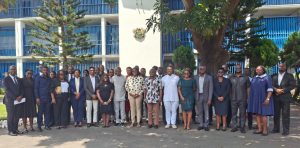
The Faculty of Accounting and Finance at the University of Professional Studies, Accra (UPSA), has organised a public policy dialogue to assess Ghana’s economic performance under the 2026 Mid-Year Budget Review. Held on Monday, 3 August 2026, the event brought together academics, students, policy analysts and members of the University community under the theme, “Beyond the Numbers: Assessing Ghana’s 2026 Mid-Year Budget Performance.”
The dialogue provided an evidence-based platform to examine the country’s fiscal management, macroeconomic performance and the implications of the Review for businesses, households and national development.
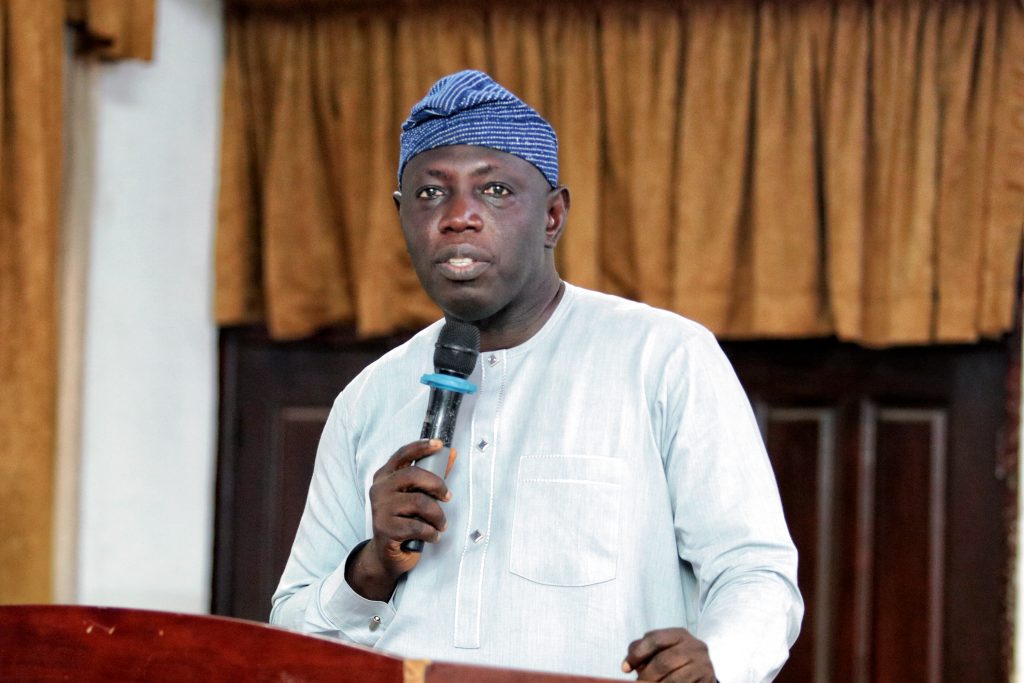
Opening the event, the Dean of the Faculty of Accounting and Finance, Professor Isaac Boadi, said national budgets were more than financial statements, as they reflected a country’s development priorities and policy direction. He encouraged participants to interrogate the figures critically and strengthen their capacity to interpret complex economic developments.
Delivering the keynote presentation, Dr Freeman Christian Gborse, Coordinator of MPhil Programmes, reviewed the Government’s fiscal performance. He highlighted first-quarter real GDP growth of 6.4 per cent, inflation of 5.3 per cent, a primary surplus of 0.9 per cent of GDP and an overall fiscal deficit of 0.4 per cent of GDP, both on a commitment basis. He also noted a decline in the public debt-to-GDP ratio to 45 per cent and an improvement in gross international reserves to five months of import cover.
Dr Gborse, however, cautioned that favourable headline indicators should be assessed against the depth and sustainability of structural transformation. He observed that growth remained largely driven by services and extractive activities, while manufacturing and agriculture required stronger performance to support industrialisation, employment creation and long-term economic resilience.

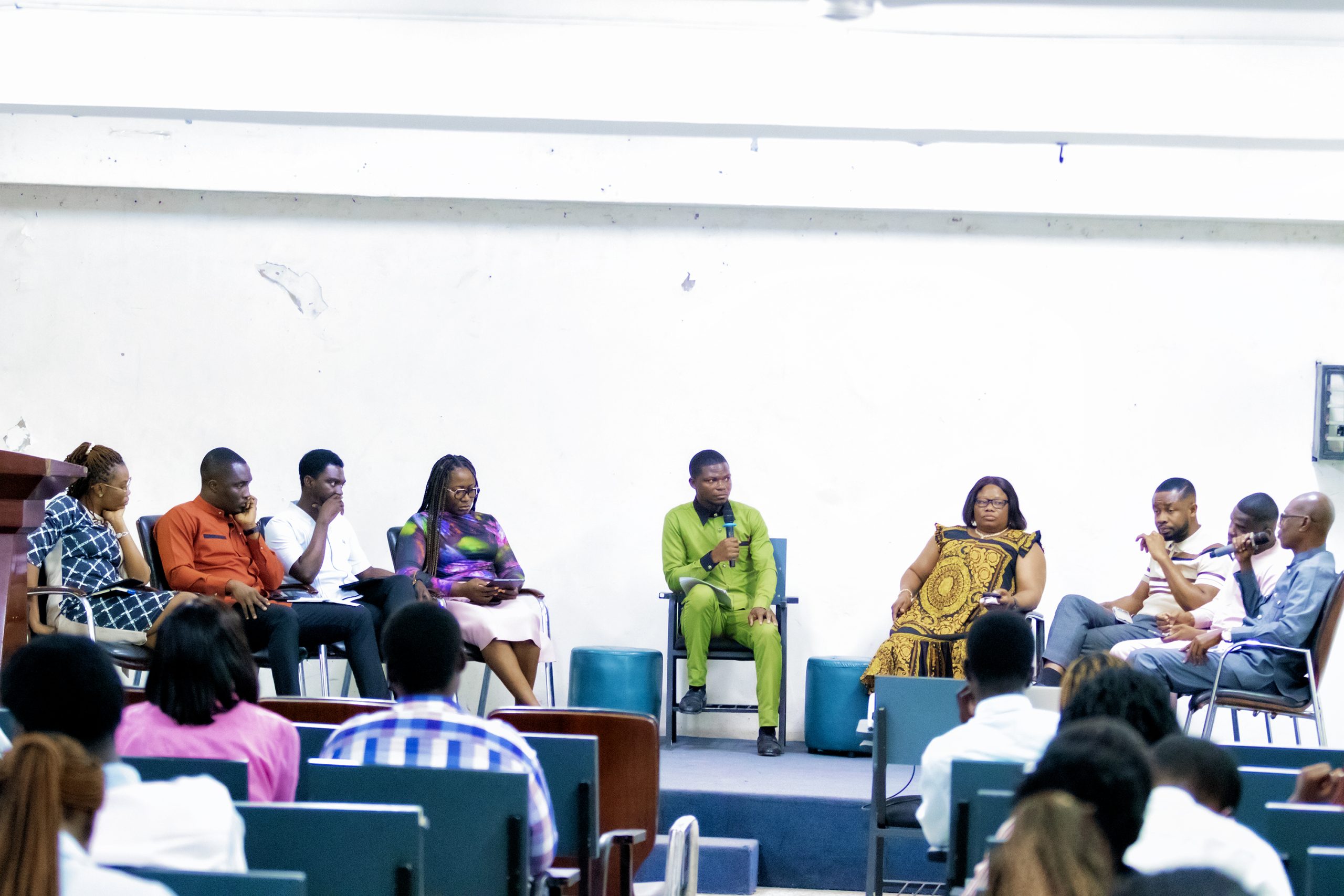
A panel discussion brought together Professor Abdallah Abdul-Mumuni, Head of the Department of Business Economics and Actuarial Science; Dr Samuel Koomson; Dr Gborse; Ivan Horace; Modupeola Adefunso Dzorka; Charlotte Adjei-Asamoah; Isaac Aidoo; and Abigail Dziedzorm Felitse.
The panellists examined fiscal sustainability, debt management, public expenditure, revenue mobilisation, private-sector growth and the implementation of key government programmes. They stressed that economic progress should ultimately be measured by its effect on enterprises, households and citizens’ livelihoods. They also called for effective implementation of agricultural interventions, including Farmer Service Centres and fertiliser support programmes, to strengthen food security and accelerate economic transformation.
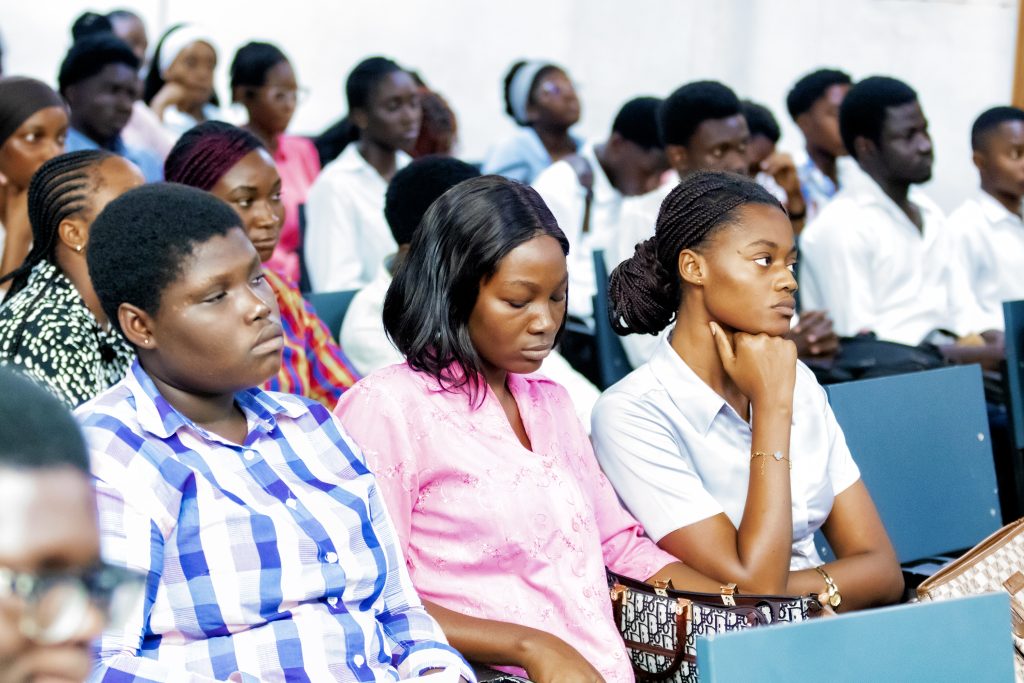
During an interactive question-and-answer session, participants raised concerns about public debt, inflation, expenditure efficiency, revenue mobilisation and the long-term consequences of fiscal policy.
The dialogue reaffirmed UPSA’s commitment to policy-oriented research, critical inquiry and meaningful stakeholder engagement, while contributing informed perspectives to Ghana’s national economic discourse.