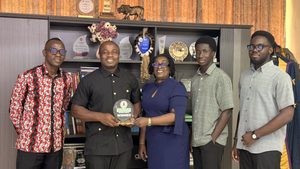
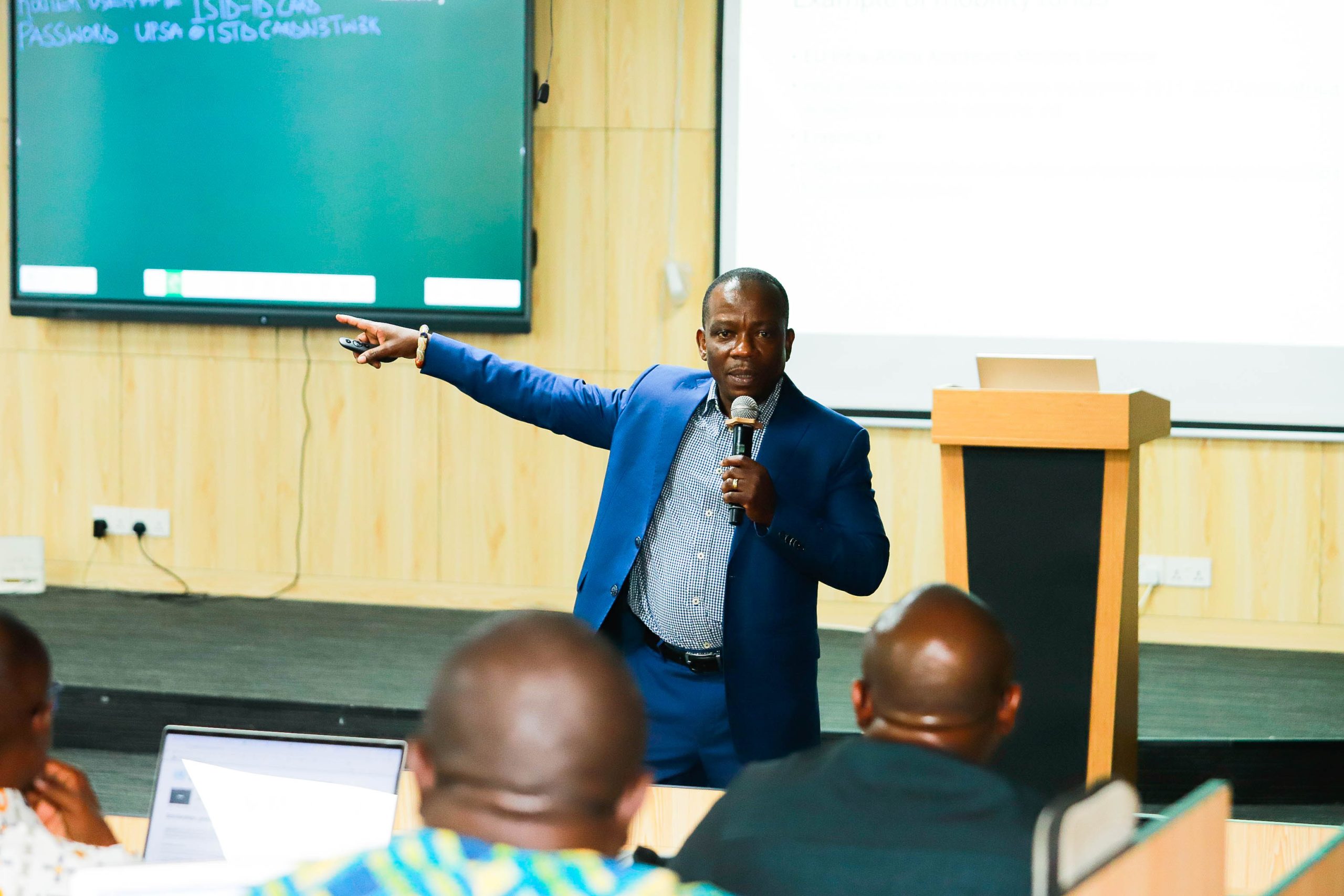
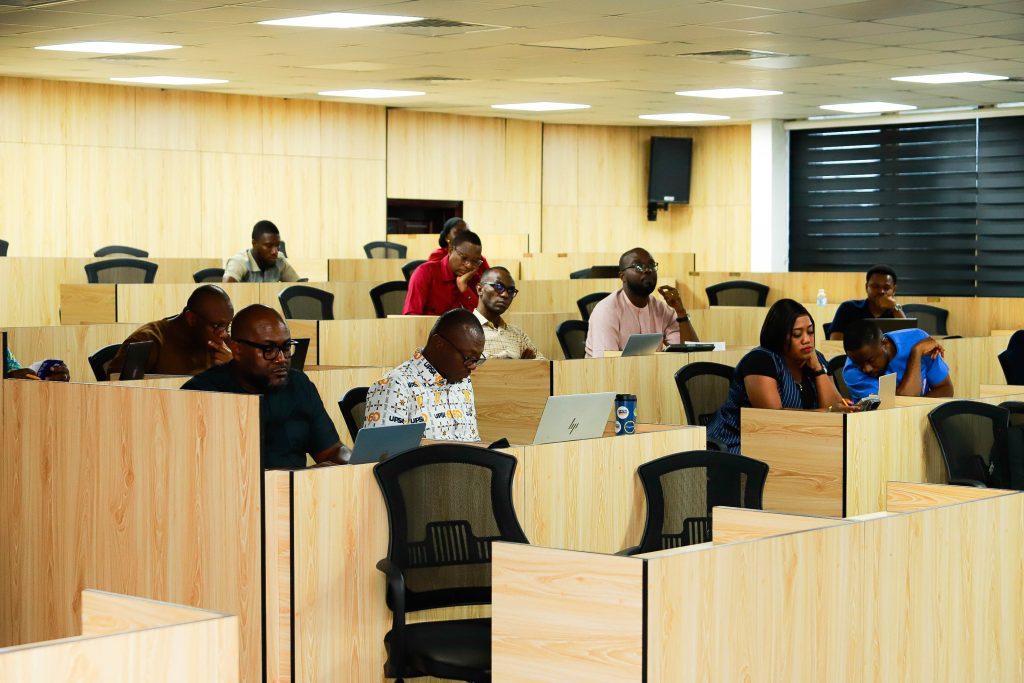
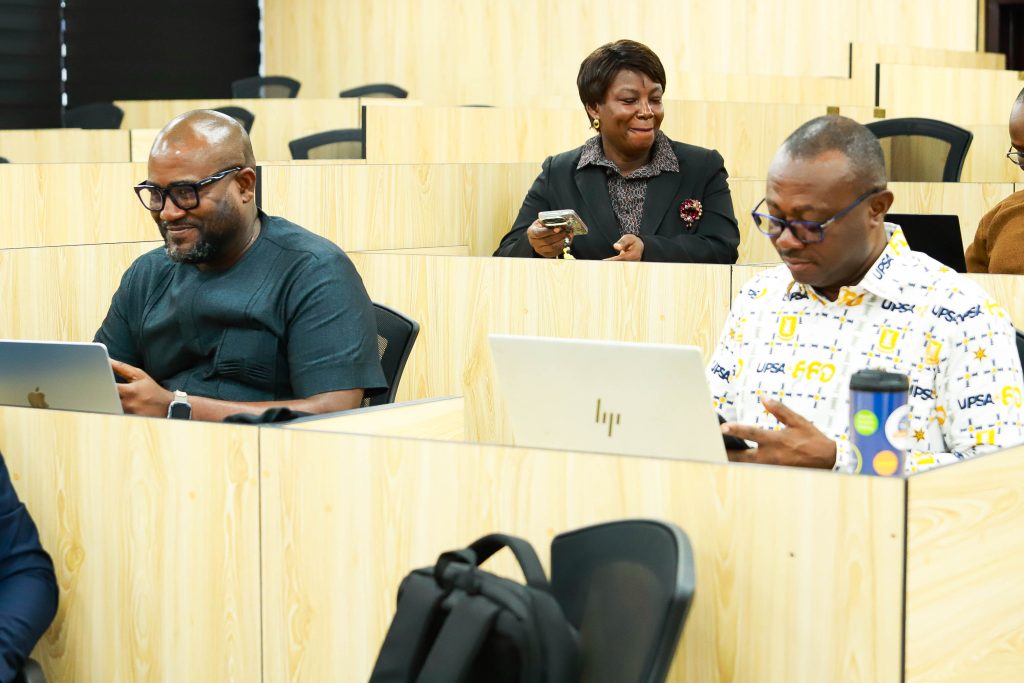
The University of Professional Studies, Accra (UPSA) has strengthened the grant-writing and proposal-development capabilities of selected academic staff through a practical capacity-building programme. The two-day Grant Writing and Proposal Development Workshop, held from Tuesday, 28 July to Wednesday, 29 July 2026, equipped participants with skills to identify funding opportunities, interpret funders’ priorities and develop competitive research proposals.
The workshop formed part of the University’s strategic drive to advance research excellence and expand its externally funded research portfolio. It was facilitated by Professor Charles K. D. Adjasi, Professor of Development Economics and Finance, and Professor Ibrahim Mohammed, both experienced researchers with expertise in grant acquisition and research management.
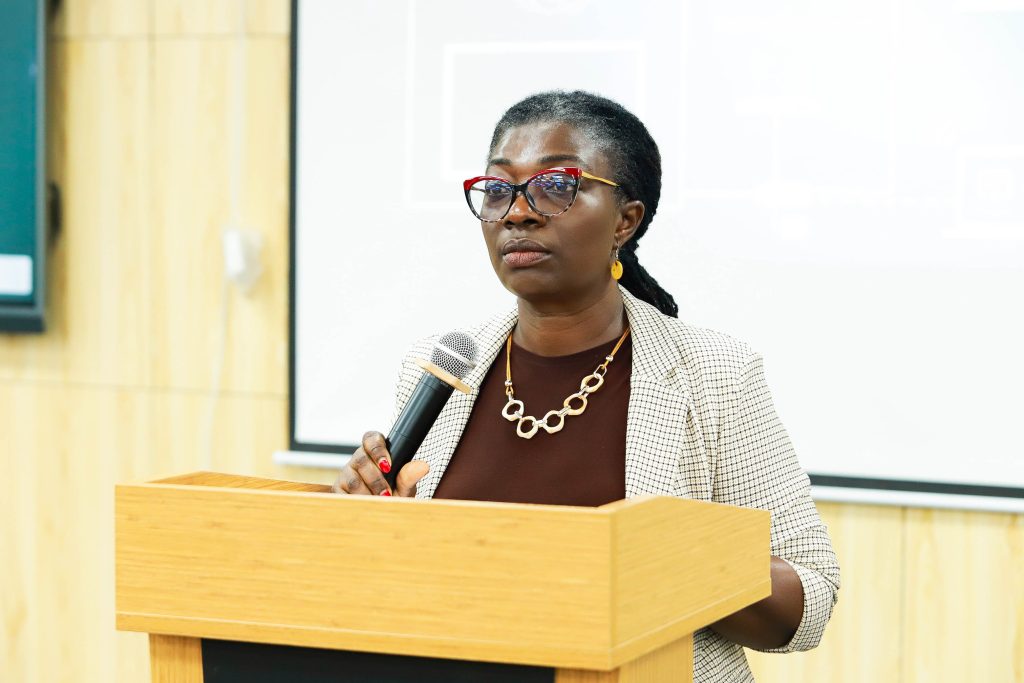
Opening the programme, the Registrar, Mrs Lorraine Gyan, said the initiative responded to an identified need to strengthen grant acquisition across the University. She explained that participants had been carefully selected to form a core group of resource persons who would transfer the knowledge acquired to colleagues within their respective schools and departments.
The Pro Vice-Chancellor, Professor Emmanuel S. Asamoah, described the workshop as a call to institutional responsibility. He noted that UPSA’s growth from a predominantly professional institution into a university offering undergraduate, master’s and doctoral programmes had been accompanied by increasing research output.
Professor Asamoah said attracting external research funding represented an important next step in the University’s development and was central to the implementation of its Strategic Plan. He therefore urged participants to apply the knowledge gained to proposals capable of advancing the University’s research portfolio and contributing to national development.
Introducing the technical sessions, Professor Adjasi said the workshop was designed to move participants beyond theory to the practical work of developing persuasive proposals. He encouraged them to regard unsuccessful applications as part of the learning process and to remain persistent in pursuing funding opportunities.
He stressed that competitive proposals must address clearly defined societal challenges, align with funders’ priorities and demonstrate measurable outcomes and impact. He also urged researchers to build multidisciplinary teams, pursue strategic collaborations, seek mentorship from experienced grant winners and incorporate clear impact pathways into project design from the outset.
Across the two days, participants engaged in interactive discussions, shared experiences from previous applications and undertook practical exercises to refine research concepts and strengthen proposal components. The programme concluded with proposal development clinics, during which participants received targeted guidance and feedback on grant concepts developed during the workshop.