Traditional leaders have been challenged to take a more proactive role in preventing and responding to gender-based violence in their communities, leveraging their influence to promote justice, protect vulnerable persons, and encourage survivors to seek support and legal redress.
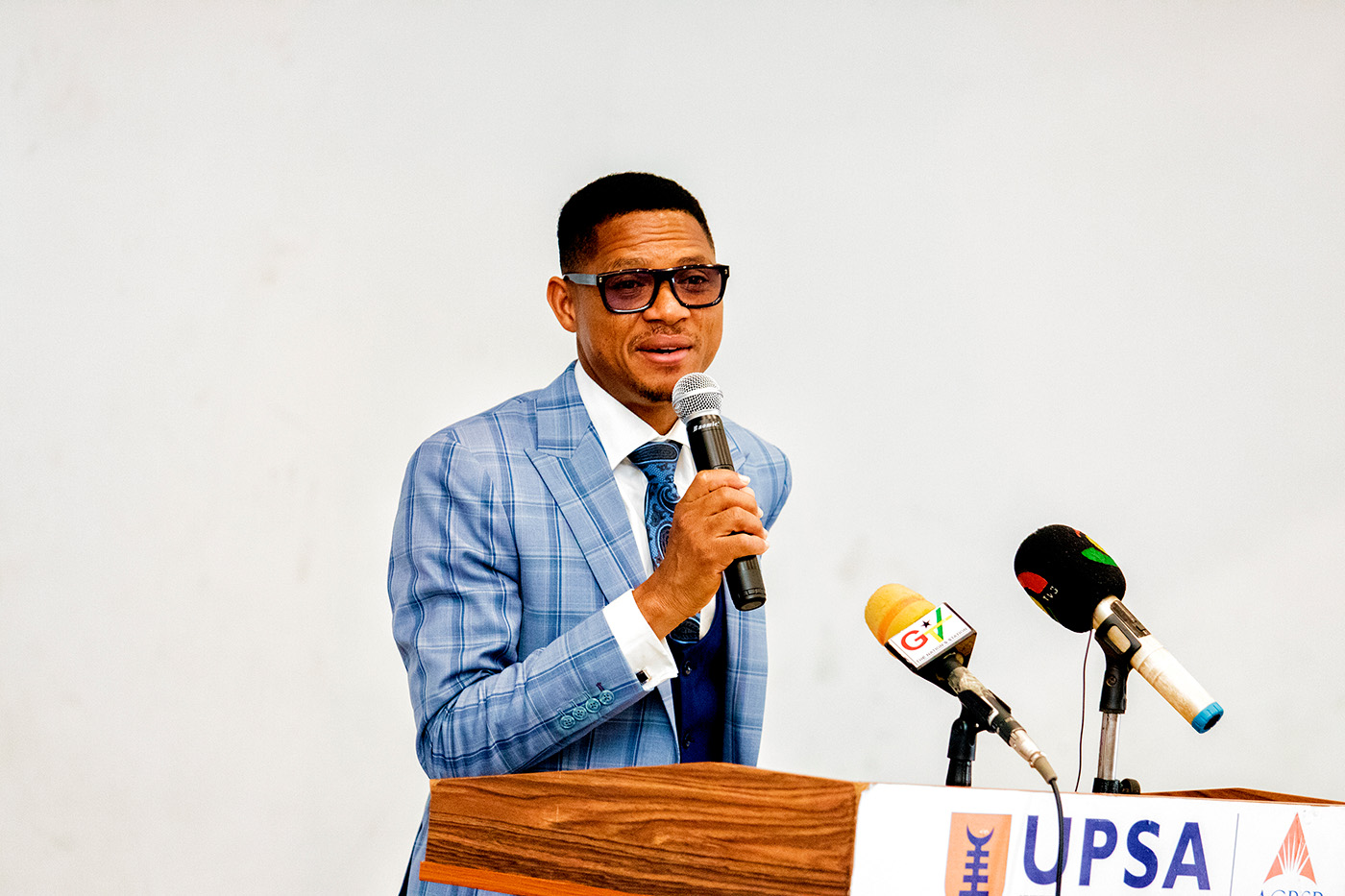
The call was made on behalf of the Minister for Gender, Children and Social Protection by Hajia Safia Tamimu, Head of the Child Marriage Unit at the Ministry, during a Stakeholder Engagement Seminar organised by the Otumfuo Centre for Traditional Leadership (OCTL) at the University of Professional Studies, Accra (UPSA), in partnership with the United Nations Population Fund (UNFPA).
Addressing participants, Hajia Tamimu noted that traditional leaders occupy positions of authority and trust, making them key actors in shaping social norms and mobilising communities. She urged them to use that influence to uphold human rights, protect persons at risk, and strengthen local pathways for reporting and support.
“I encourage you to use your influence to promote justice, protect the vulnerable, and support survivors to seek help and legal redress,” she said. “Let us work together to end gender-based violence.”
She further disclosed that the Ministry has developed a national framework to guide engagement with traditional authorities in addressing gender inequality, harmful cultural practices, and gender-based violence. According to her, the framework was developed through sustained dialogue with traditional leaders across the country to ensure that responses are locally grounded, culturally sensitive, and aligned with human rights principles.
“As traditional leaders, you have moral authority in your communities,” she added, explaining that the framework is intended to deepen mutual understanding and strengthen collaboration toward eliminating harmful practices.
Speaking for UNFPA, Mr. Faisal Bawah, National Programme Analyst for Gender and Gender-Based Violence, reaffirmed the Fund’s commitment to supporting capacity building for traditional leaders and administrators nationwide. He indicated that UNFPA is working with the Ministry to develop a strategy for structured engagement with traditional authorities, including ongoing consultations with Regional Houses of Chiefs.
Mr. Bawah also advocated stronger representation of queen mothers at the highest level of traditional governance, stressing the value of inclusive leadership for national development.
“At the apex level of traditional leadership, we must ensure that queen mothers are represented as part of a holistic approach to development,” he said.
He added that UNFPA’s collaboration with traditional leaders contributes to the attainment of the Sustainable Development Goals (SDGs), particularly the goal on gender equality.
In remarks delivered at the seminar, the Norwegian Ambassador to Ghana, H.E. John Michael, shared perspectives from Norway’s long-standing efforts to address gender-based violence, noting that strengthening protections and social systems contributes to stronger, more resilient societies and supports democratic governance.
The forum brought together academics, policymakers, traditional leaders, development partners, and civil society organisations. Participants engaged in discussions focused on practical strategies for prevention, community accountability, and the role of traditional authorities in promoting safer communities.