
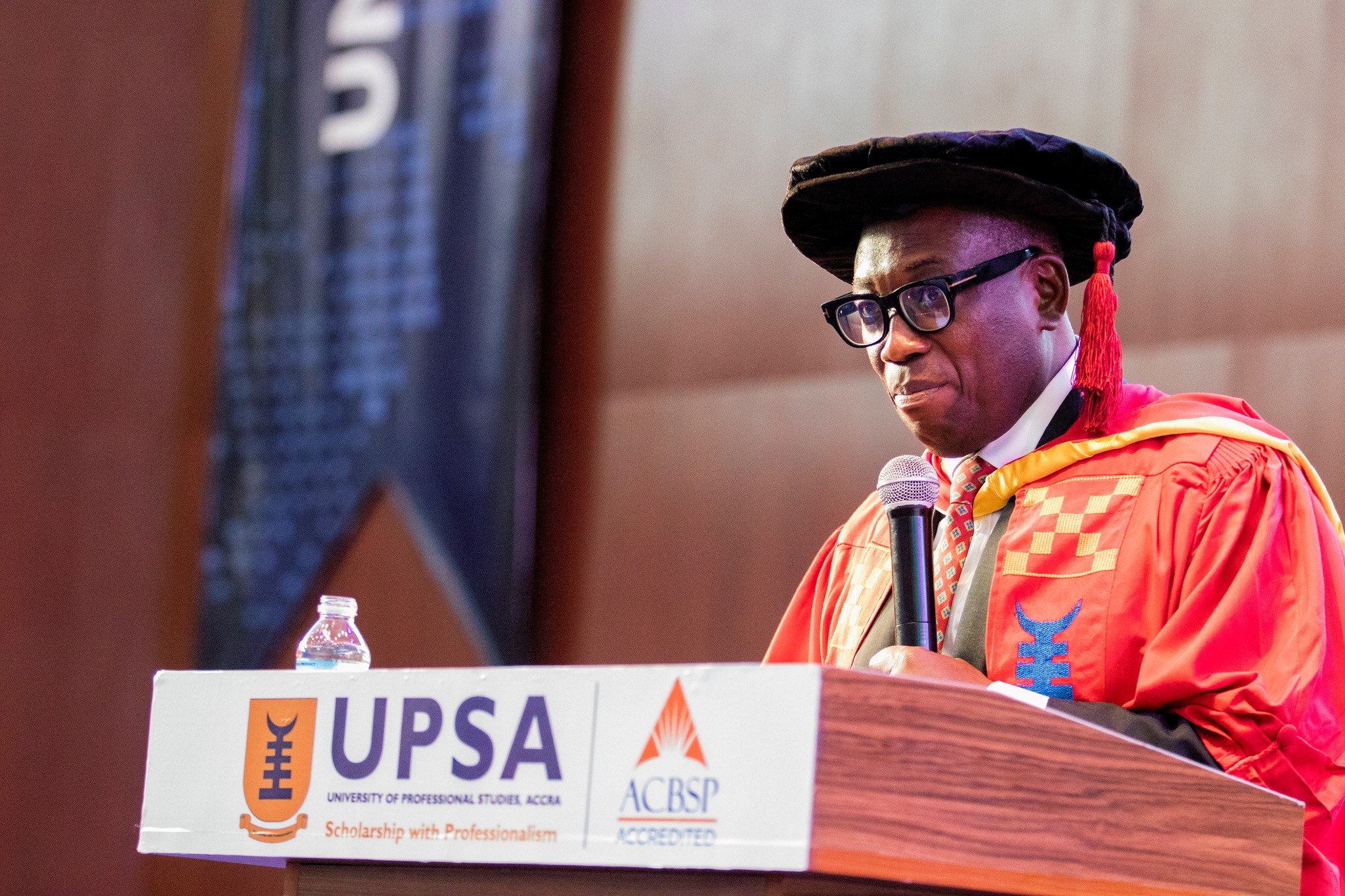
Professor of Management and corporate governance expert Prof. Albert Puni has urged the government to end the longstanding politicisation of appointments in State-Owned Enterprises (SOEs).
He said a shift to transparent and merit-based recruitment for boards and CEOs is crucial to stopping the chronic underperformance and heavy financial losses of Ghanaian SOEs.
Prof. Puni made the call on Thursday, October 23, while delivering his inaugural lecture on the theme “State-owned Enterprise Governance: Towards a Sustainable Board and CEO Selection and Appointment Process for National Development.”
Addressing academics, policymakers, senior administrators, and students, Prof. Puni highlighted the disturbing economic burden SOEs continue to place on the state due to inefficiencies in governance structures and leadership selection.

Citing recent data from the World Bank, he noted that “as recently as 2024, SOEs in Ghana reported a collective net deficit of GHS 2.40 billion,” a situation he said reflects the consequences of governance flaws that have persisted for decades.
Prof. Puni pointed out key issues fuelling the decline of SOEs, including politicised appointments of boards and CEOs, weak oversight and accountability, and lack of transparency and merit-based selection.”
These practices, he said, have produced boards “which lack the necessary skills and diversity” to provide strategic direction and effective supervision.

Prof. Puni proposed a comprehensive solution anchored on his 3C Model for SOE leadership appointments.
The model emphasises competence, commitment and character as essential attributes of individuals chosen to lead public enterprises.
According to him, “character determines how leaders use competencies,” making it necessary to prioritise integrity checks along with skills and expertise.
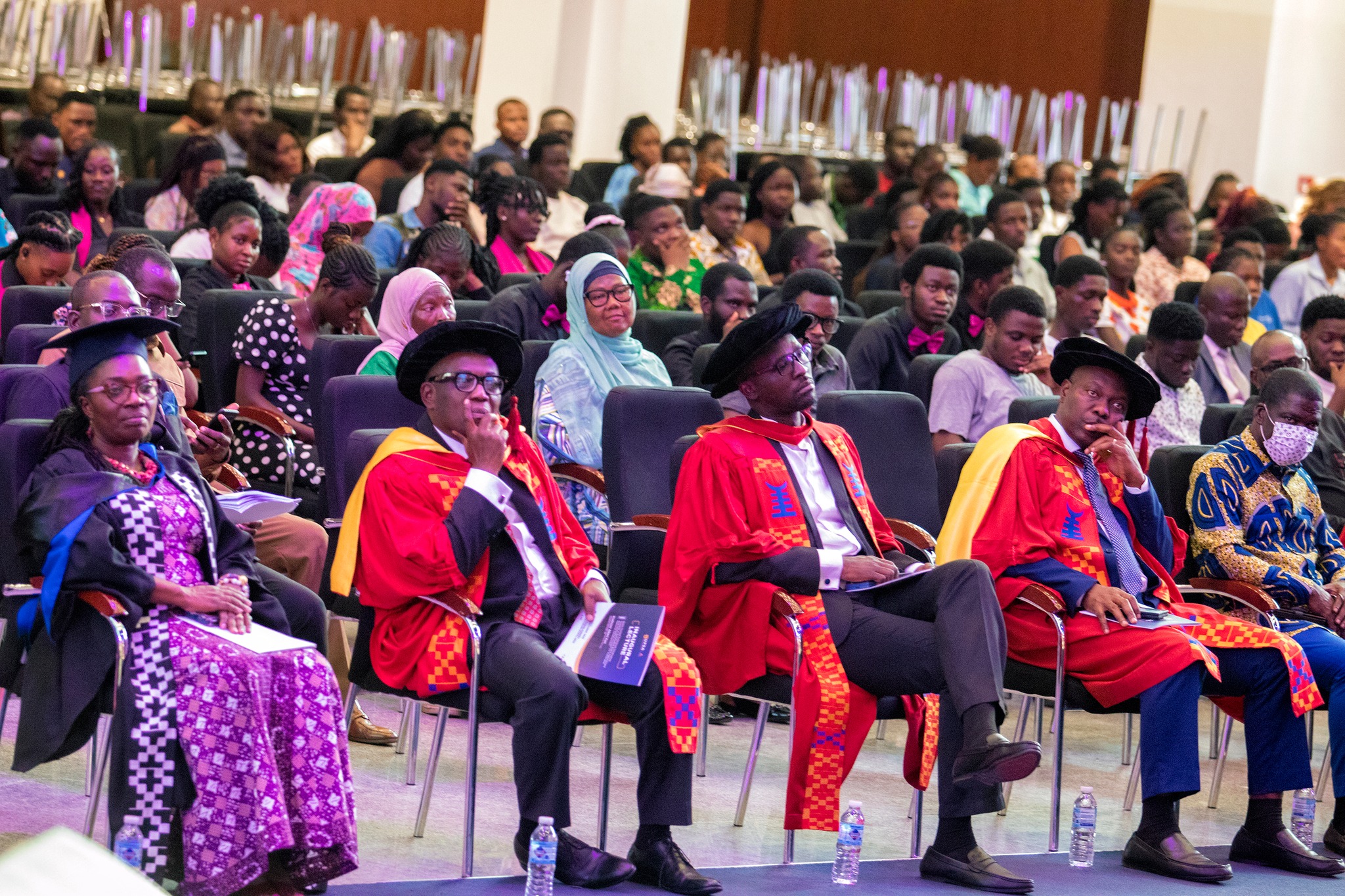
He further called on the State Interest and Governance Authority (SIGA) to champion professionalising appointment processes by creating a publicly accessible database of qualified directors and CEOs, advertising vacancies, and ensuring competitive recruitment with strict background verification.
To support smooth leadership transitions between administrations, Prof. Puni recommended that incoming presidents may terminate board appointments immediately but delay the removal of CEOs for up to three months.
He explained that this approach would prevent leadership voids and empower newly constituted boards to take part in CEO selection.

Vice-Chancellor of UPSA, Prof. John Kwaku Mensah Mawutor, who chaired the lecture, praised Prof. Puni as a distinguished scholar whose expertise in management and corporate governance continues to shape national policy.
He described the lecture theme as timely and commended Prof. Puni for his academic achievements.
“On this important occasion, I would like to commend Prof. Puni for being the first professor from the Department of Business Administration, and the second from UPSA, to deliver an inaugural lecture upon his promotion to the rank of full professor,” Prof Mawutor said.
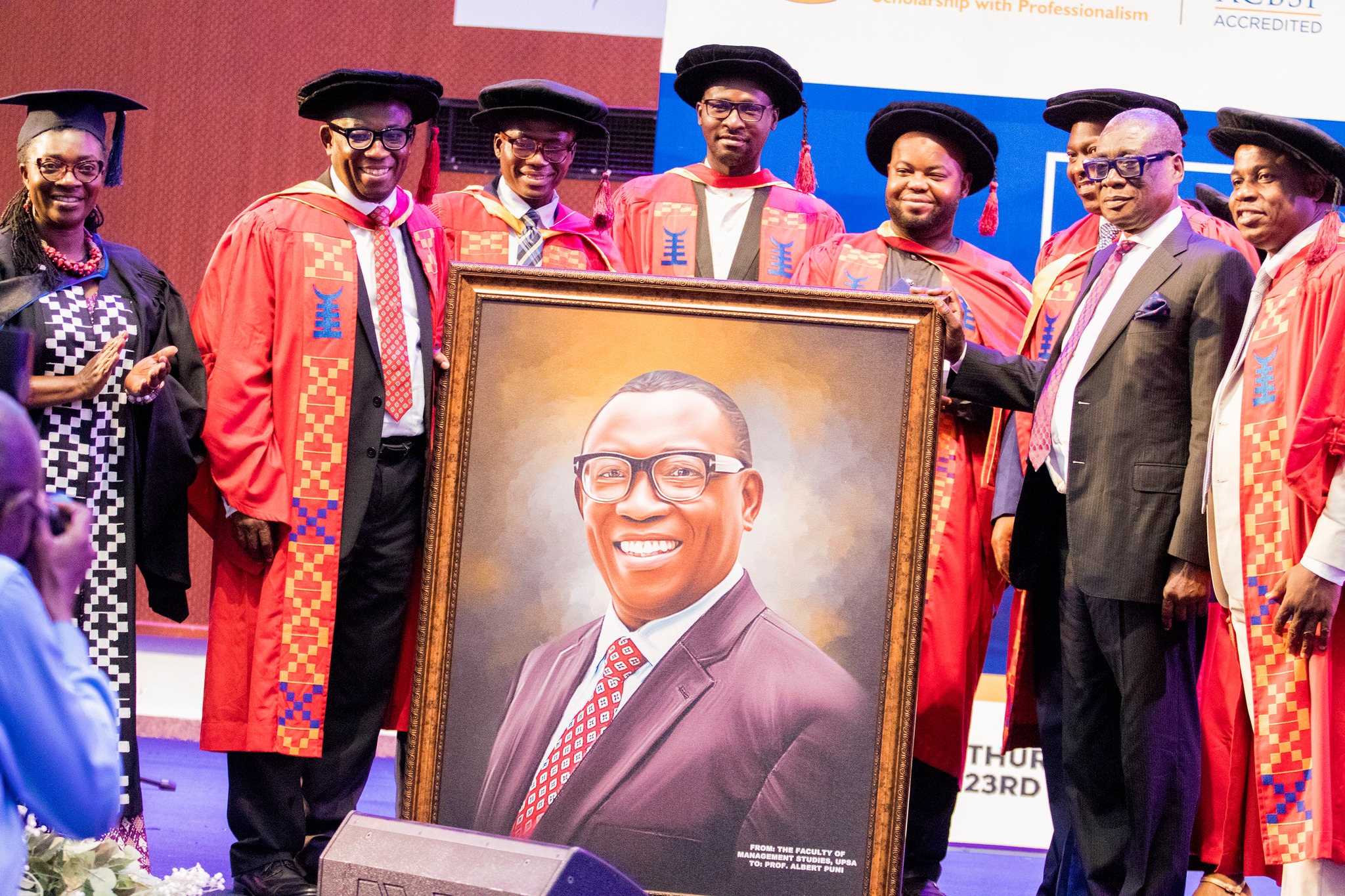
“He is a mentor to both faculty and students and a prolific scholar with over 50 academic publications in reputable, high-ranked journals across the globe, making him a real asset to UPSA.”