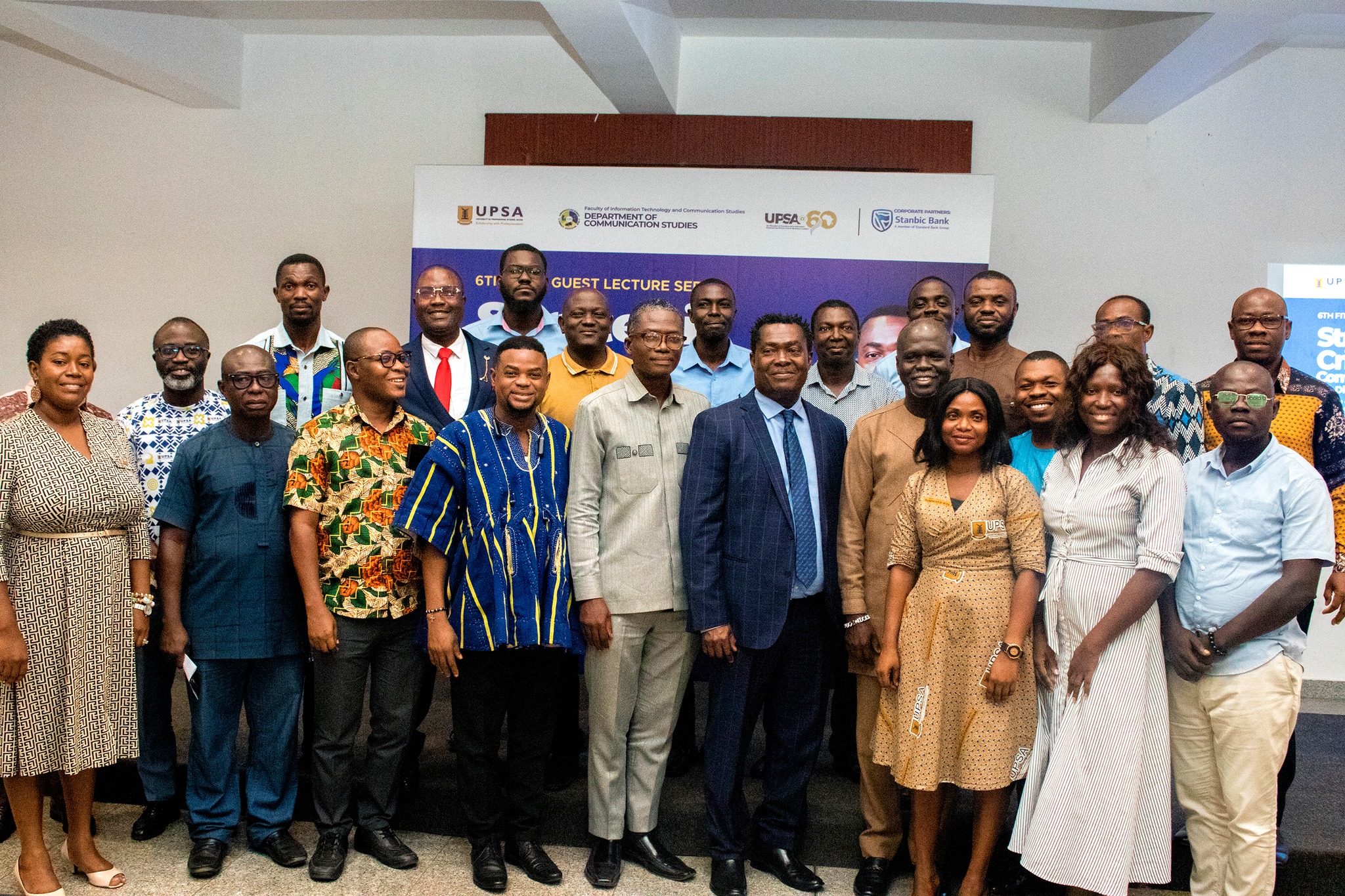
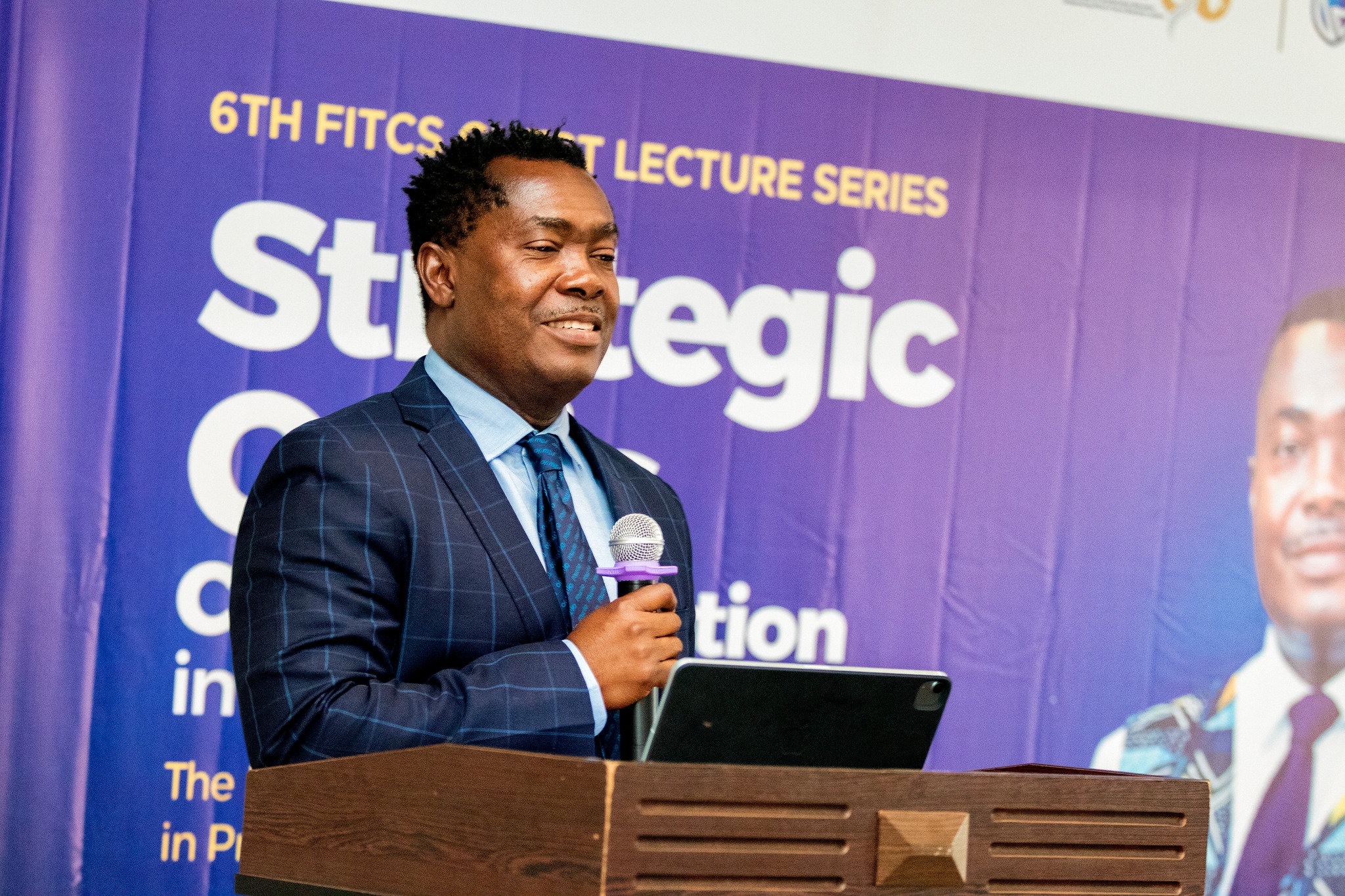
The Executive Head of Brands and Marketing at Stanbic Bank Ghana, Mr. Mawuko Afadzinu, has urged corporate institutions to play a more active role in promoting national development through responsible activism and strategic communication.
He called on businesses to rise above silent complicity and embrace courageous communication by speaking boldly against societal ills and promoting values that foster unity.
Mr. Afadzinu stressed that modern Ghanaian companies are more than profit-makers, stating that “they are nation builders, engines of growth, guardians of integrity, and architects of hope.”
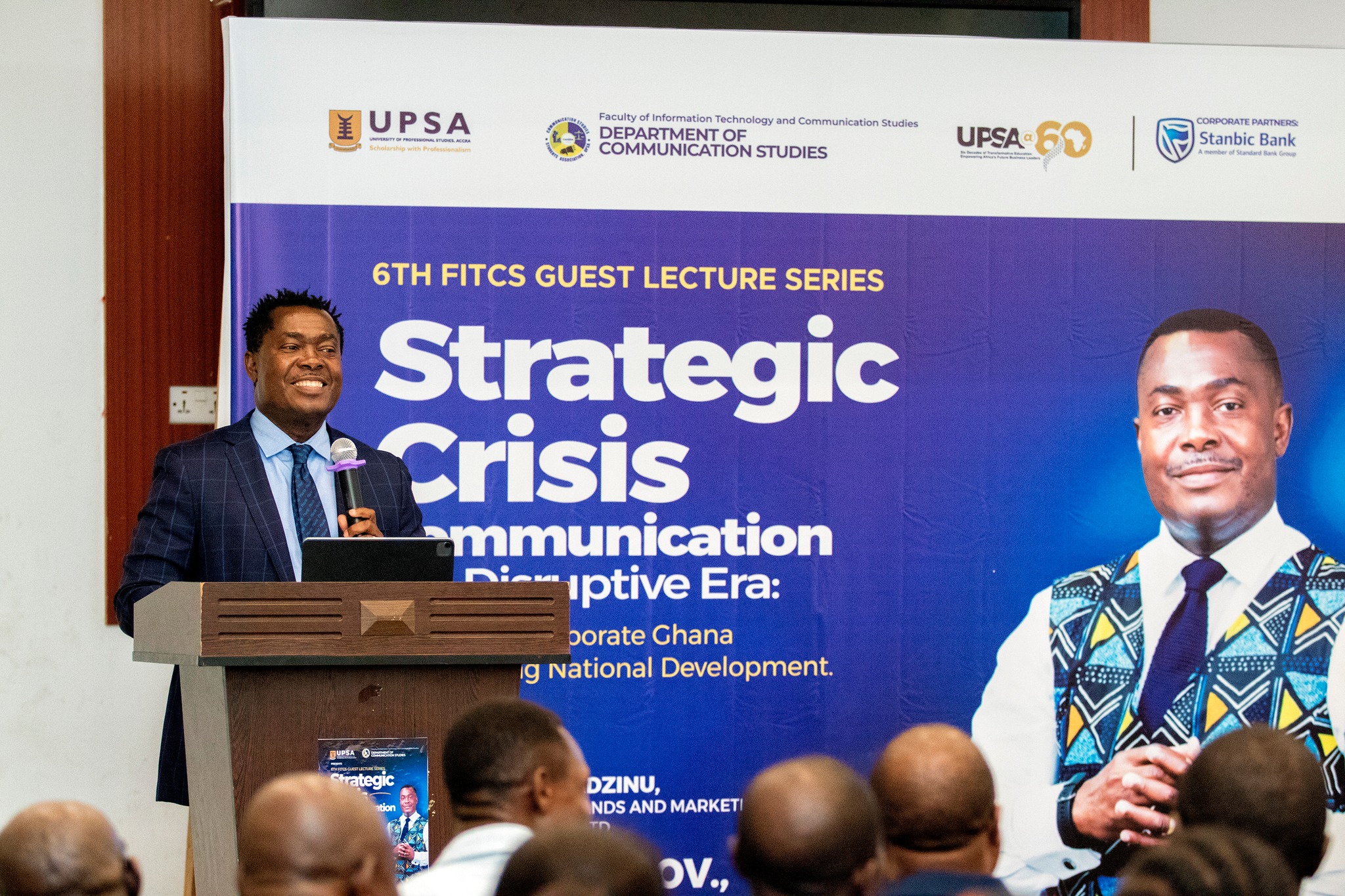
Speaking at the 6th Guest Lecture Series organised by the UPSA Faculty of Information Technology and Communication Studies, Mr. Afadzinu emphasised that the role of Corporate Ghana must extend beyond profit-making to include fostering trust, integrity, and accountability within society.
Delivering a lecture on the theme “Strategic Crisis Communication in a Disruptive Era: The Role of Corporate Ghana in Promoting National Development,” he observed that the inability of traditional institutions to meet public expectations presents an opportunity for corporate bodies to step forward and drive positive change.

“Corporate Ghana must not only be concerned about making profit; it has a social contract with the people and must be intentional about contributing to national progress,” Mr Afadzinu stated.
“It is time for corporate institutions to embrace responsible activism—speaking up on issues that affect the well-being of society while holding government accountable in ways that promote collective growth.”
Mr. Afadzinu noted that in an increasingly disruptive environment, communication crises are inevitable.

He therefore urged communication professionals and corporate leaders to adopt strategic crisis communication frameworks that anticipate challenges, safeguard reputations, and promote transparency in their dealings with the public.
The Brands and communication expert emphasised that when corporate organisations communicate responsibly, they build trust and legitimacy, both of which are essential for sustainable national development.
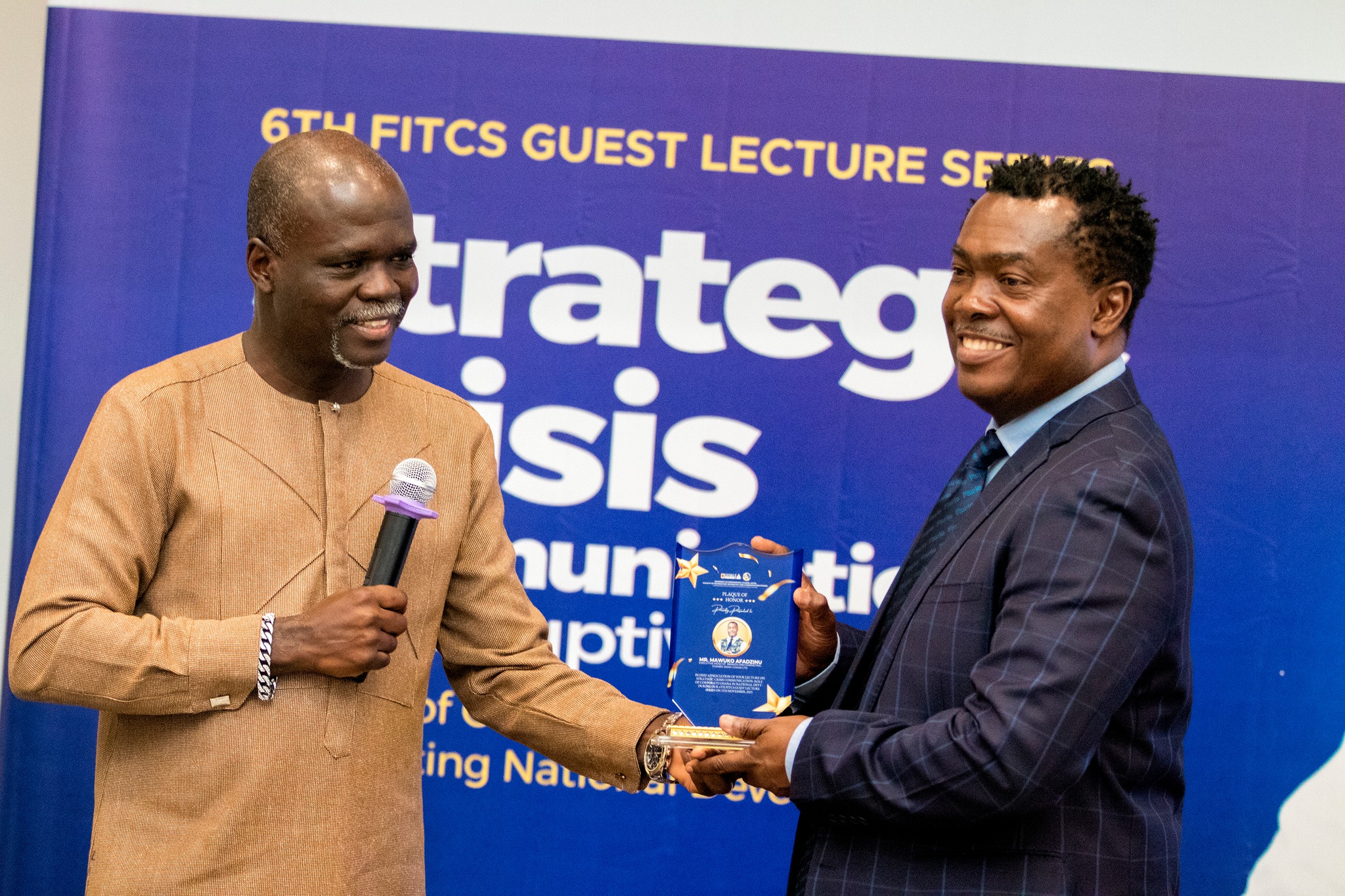
“Responsible communication is not just about brand management; it’s about shaping a society that values truth, accountability, and shared prosperity,” he concluded.
The lecture formed part of FITCS’s ongoing efforts to bridge the gap between theory and practice by engaging leading industry professionals in knowledge-sharing sessions that prepare students for real-world challenges in communication and leadership.