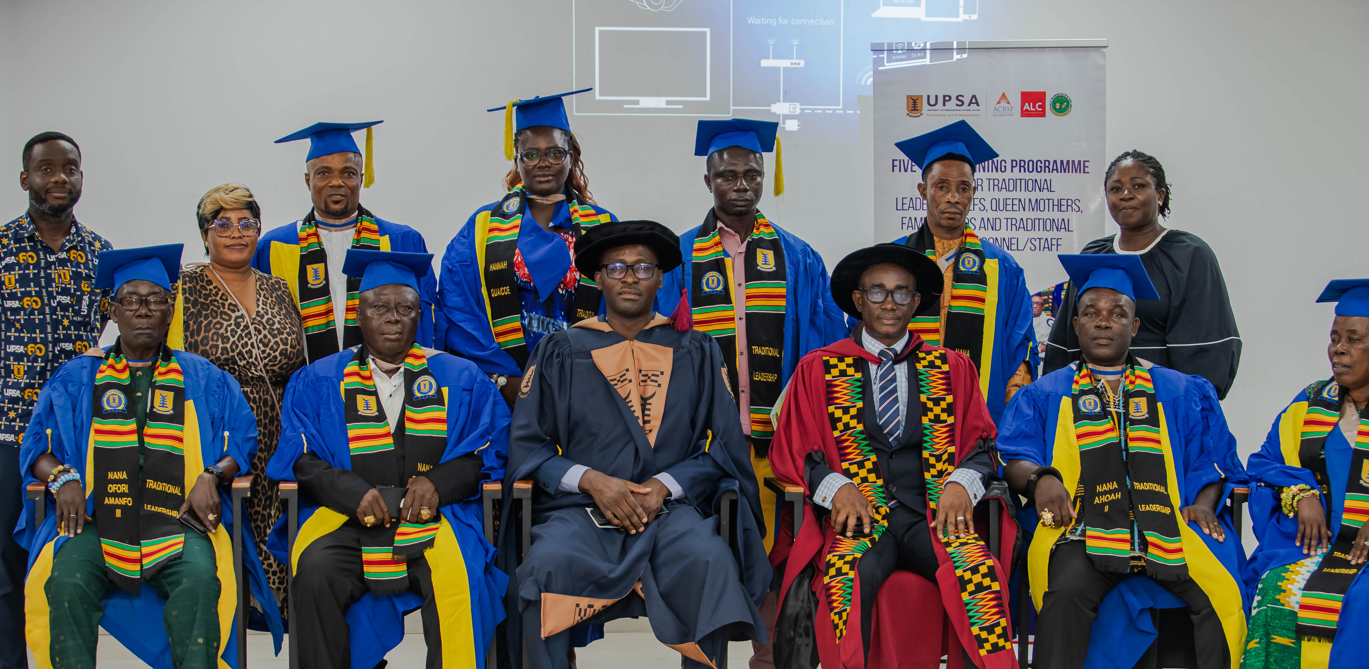
The University of Professional Studies, Accra (UPSA) has held its 18th graduation ceremony for chiefs, queen mothers and staff of traditional councils, urging graduates to apply their knowledge to strengthen governance and community development. Held on Thursday, 19 November 2026, the ceremony concluded the second training session of the year, organised by the Otumfuo Centre for Traditional Leadership (OCTL).
The five-day intensive workshop brought together participants from traditional areas across Ghana to strengthen their leadership and administrative capabilities.
Welcoming the participants, the Pro-Vice-Chancellor, Professor Emmanuel Selase Asamoah, commended them for investing in continuous learning alongside their traditional responsibilities. He emphasised that education remained essential as traditional authorities respond to changing social, economic and governance demands.
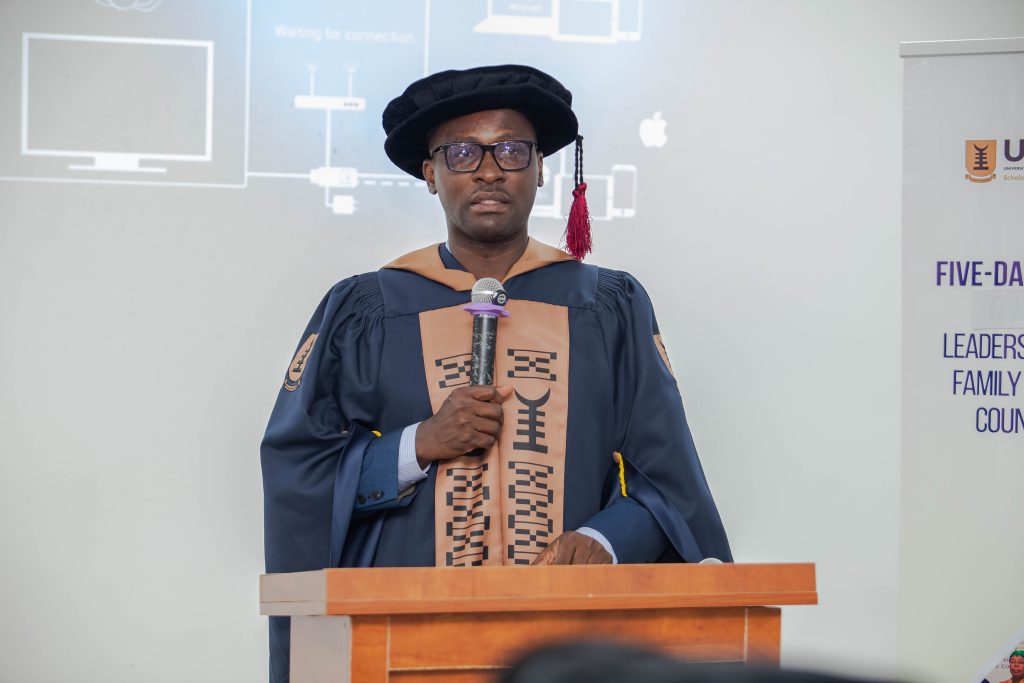
Professor Asamoah highlighted the importance of partnerships between universities and traditional institutions, stressing that research should inform policy and deliver practical benefits for communities. He reaffirmed UPSA’s commitment to working with the Houses of Chiefs to strengthen their contribution to national development.
Delivering the Director’s address, Dr Gerald Tetteh Nyanyofio commended the graduates for pursuing further training, describing their decision as an expression of humility, wisdom and foresight. Contemporary traditional leadership, he observed, required informed judgement, strategic thinking and administrative competence alongside customary authority.
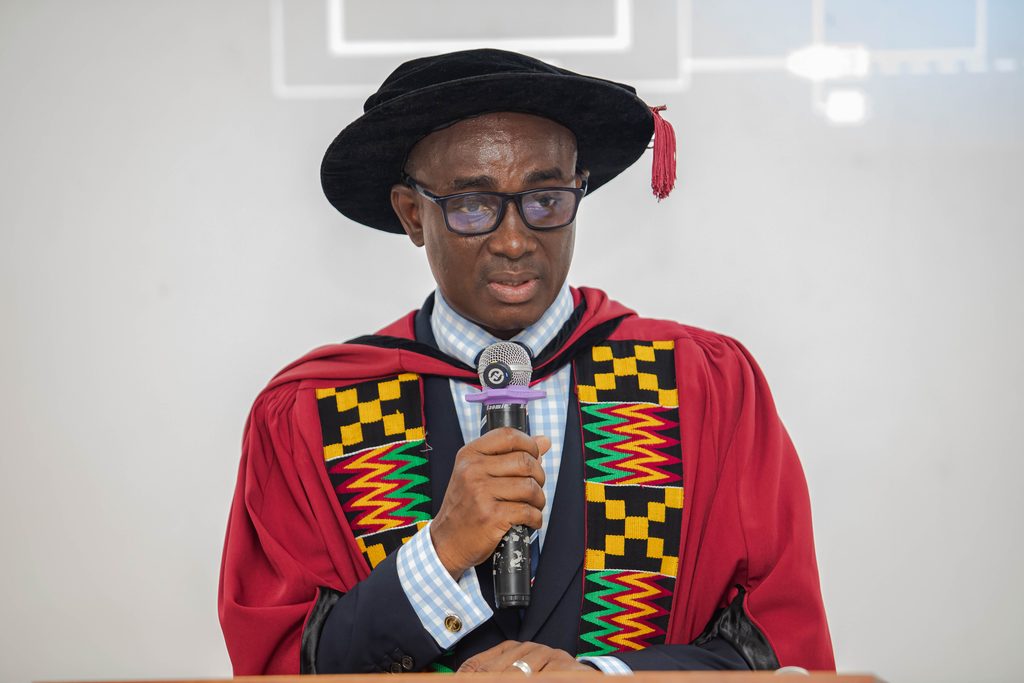
He urged the graduates to translate their learning into transparent administration, peaceful dispute resolution and sustainable resource management, while creating opportunities for young people and protecting vulnerable community members.
Dr Nyanyofio also challenged traditional authorities to harness their cultural heritage to support development.
“Do not let your festivals and customs be reduced to annual rituals. They are living institutions that carry memory, identity and meaning,” he said.
He explained that festivals, customs and cultural institutions could attract investment, promote tourism, strengthen community identity and create livelihoods.
“You sit on gold: your culture, your cuisine, your palaces are heritage assets of lasting value,” he added.
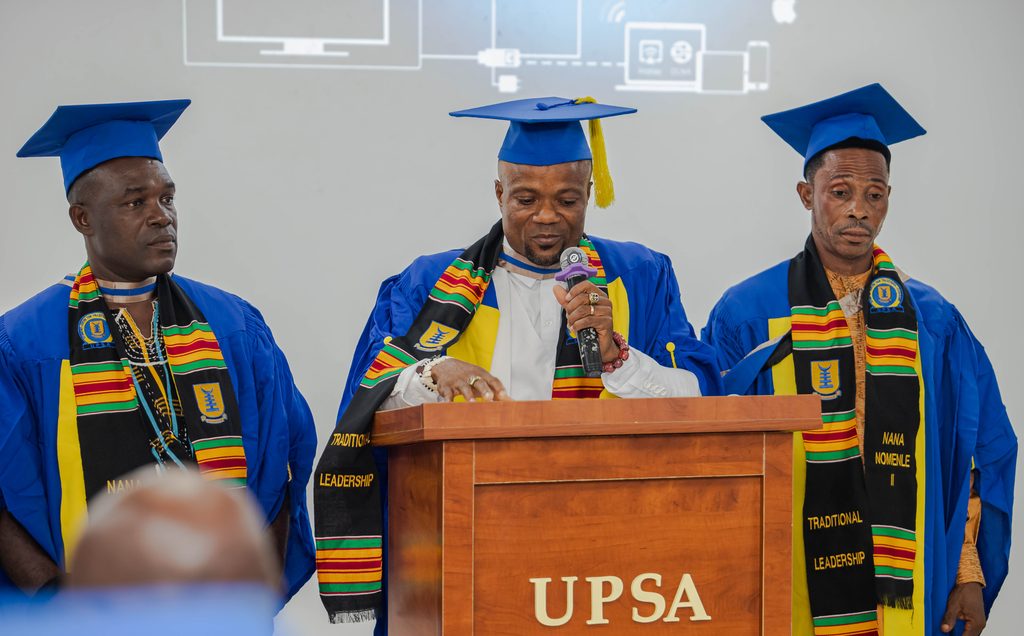
Representatives of the graduating class thanked UPSA, the Centre and the facilitators for an engaging learning experience. They said the programme had strengthened their understanding of traditional administration, accountability and community development, and appealed for opportunities to pursue qualifications beyond the diploma level.
Speaking on behalf of the diploma graduating class, a queen mother emphasised the importance of combining customary responsibilities with contemporary governance practices and exercising authority with fairness and responsibility.
In his closing remarks, Professor Asamoah reaffirmed UPSA’s commitment to expanding academic and professional development opportunities for traditional leaders. He indicated that processes towards securing accreditation for higher-level programmes were underway and outlined plans to extend the training to other parts of West Africa and, eventually, across the continent.
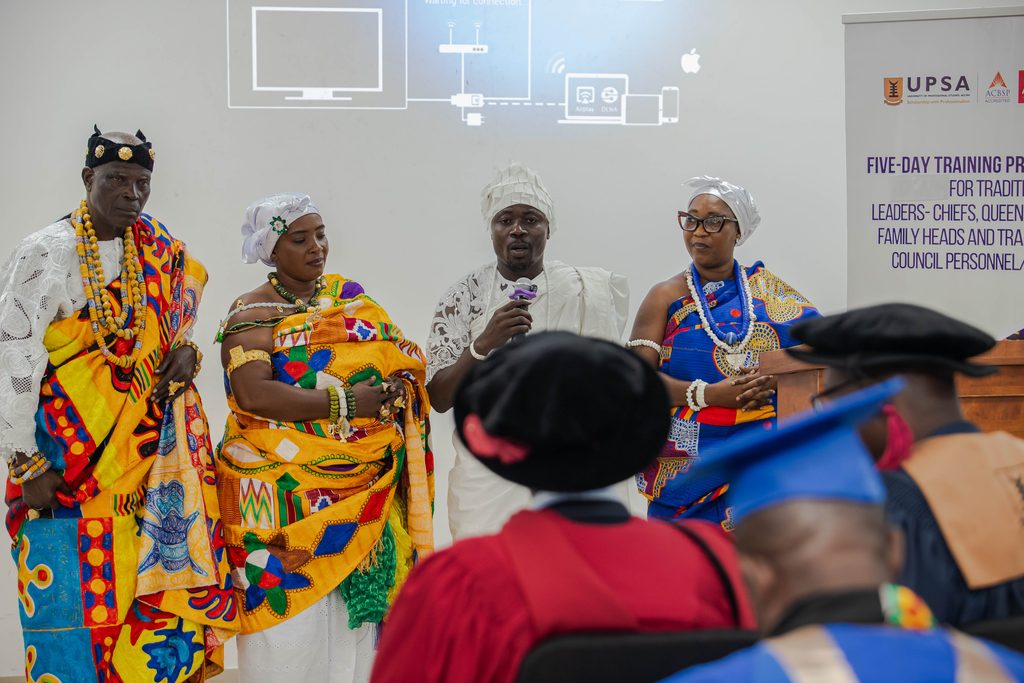
He also called for greater participation by traditional authorities in development discussions and decisions affecting their communities.
The graduates received certificates recognising their successful completion of the relevant programme requirements. The ceremony concluded with a closing prayer, group photographs and a dinner held in honour of the graduating programme participants.
Through the Centre, UPSA continues to connect academic learning with traditional leadership practice, equipping traditional authorities to address contemporary governance challenges and serve their communities effectively.