
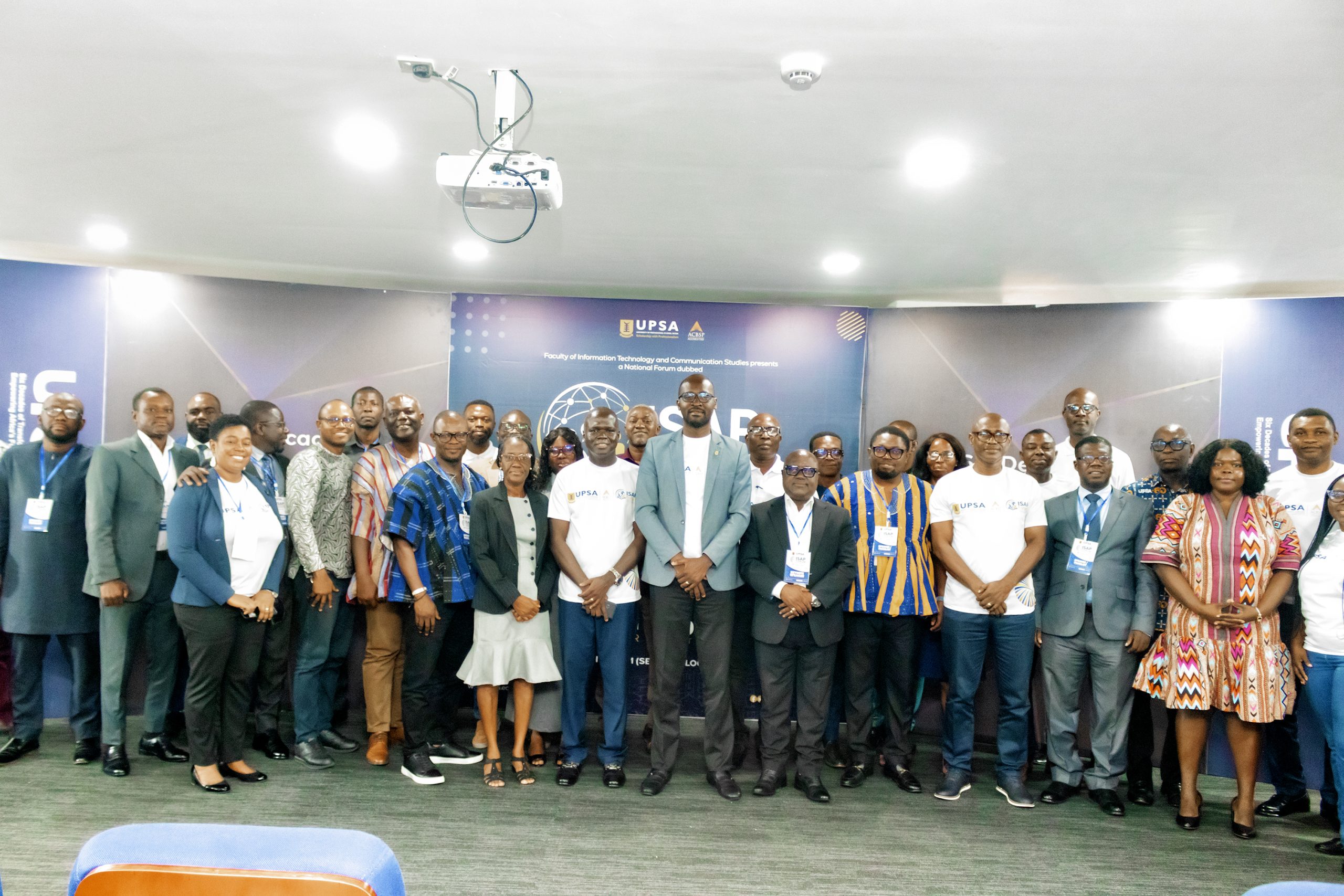
The University of Professional Studies, Accra (UPSA) has hosted the maiden Information Systems Academics and Practitioners’ (ISAP) Forum, bringing together policymakers, academics, industry practitioners and other stakeholders to examine the role of public-sector identification systems in Ghana’s socioeconomic development.
Held on Wednesday, October 7, 2026, at the PCU Auditorium, UPSA, the forum was organised by the UPSA Faculty of Information and Communication Studies (FICS) under the theme, “A National Forum on Public Sector Identification Systems for Socioeconomic Development: The Ghana Experience and the Way Forward.”

In his remarks, the Dean of FITCS, Professor Godfred Koi-Akrofi, the forum provided a platform for dialogue, knowledge exchange and policy engagement on Ghana’s identification ecosystem, with discussions focusing on the integration of national identification systems, data protection, cybersecurity, interoperability and the use of digital identity to support national development.
He said the forum would become an annual event, providing a sustained platform for advancing knowledge and proffering practical solutions to national challenges through dialogue and knowledge exchange.
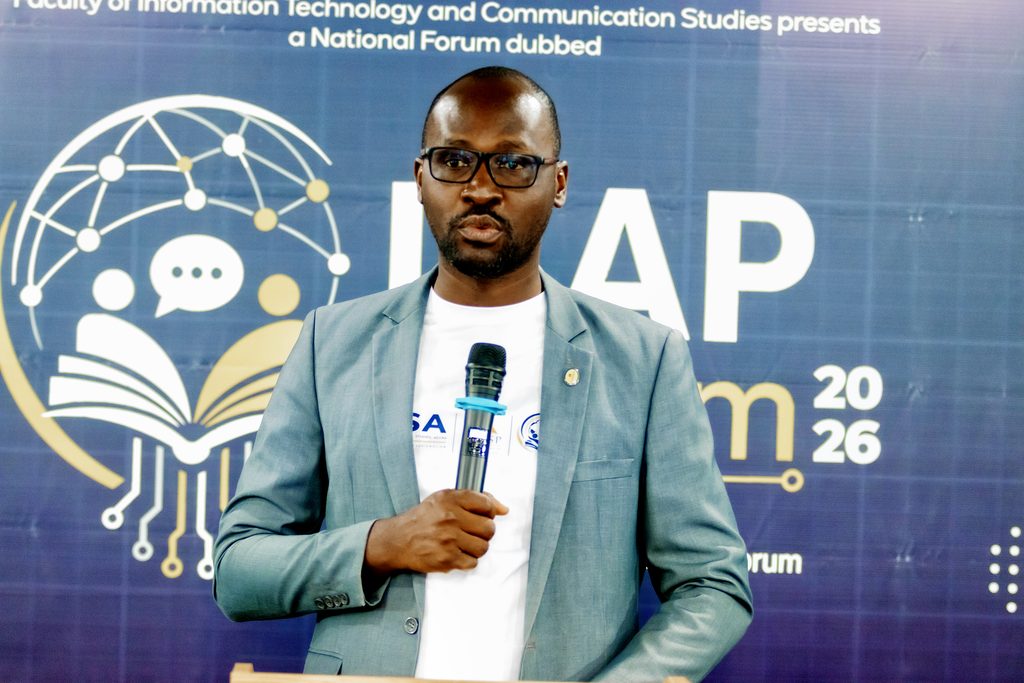
Speaking on behalf of the Vice-Chancellor, Professor Emmanuel Selase Asamoah, Pro-Vice-Chancellor, emphasised the University’s commitment to creating platforms that bring together academia, industry and government to address critical national issues and contribute knowledge to national development.
He underscored the importance of identification systems to Ghana’s digitalisation agenda, noting that identity sits at the foundation of effective digital transformation and the delivery of many public and private services.
The Deputy Executive Secretary of the National Identification Authority (NIA), Dr Fred Bedzrah, said more than 20 million Ghanaians had been captured in the NIA’s database, describing the development as an important milestone in Ghana’s identification journey.
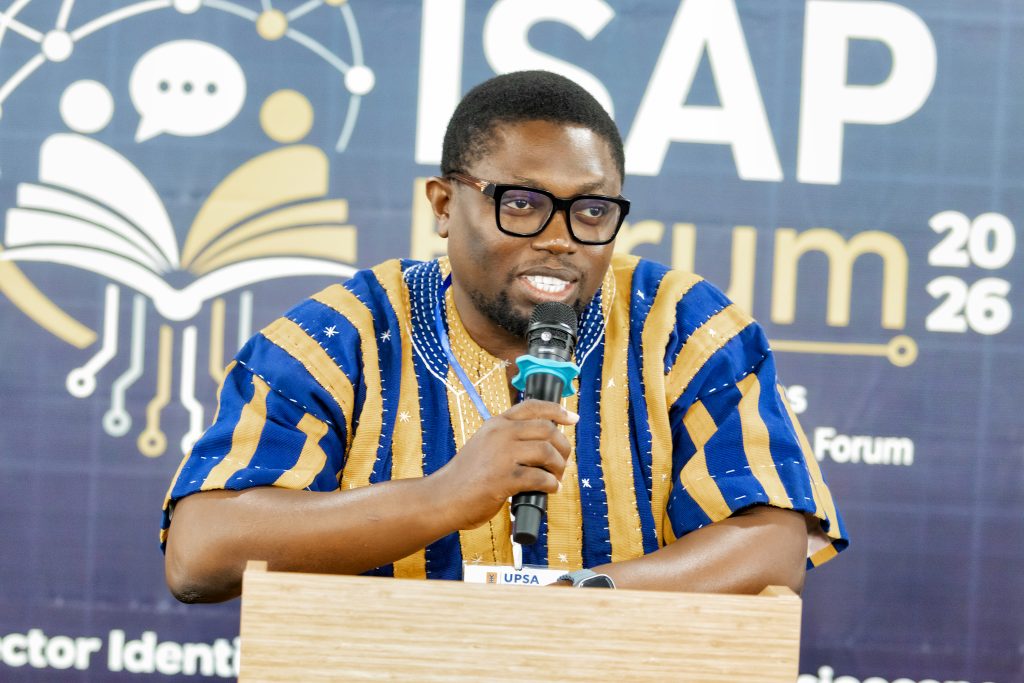
He, however, stressed that beyond the numbers, attention must now be placed on the integration of the identification ecosystem, particularly how the Ghana Card can effectively link with other systems, including those of the SSNIT, Driver and Vehicle Licensing Authority, National Health Insurance Authority and passport system.
According to Dr Bedzrah, greater integration would enable identification data to support more efficient service delivery and strengthen the country’s digital transformation efforts.
The former Executive Director of the NIA and keynote speaker, Professor Ken Attafuah, commended FICS for creating a platform for stakeholders to deliberate on important national issues, particularly the country’s national identification system.
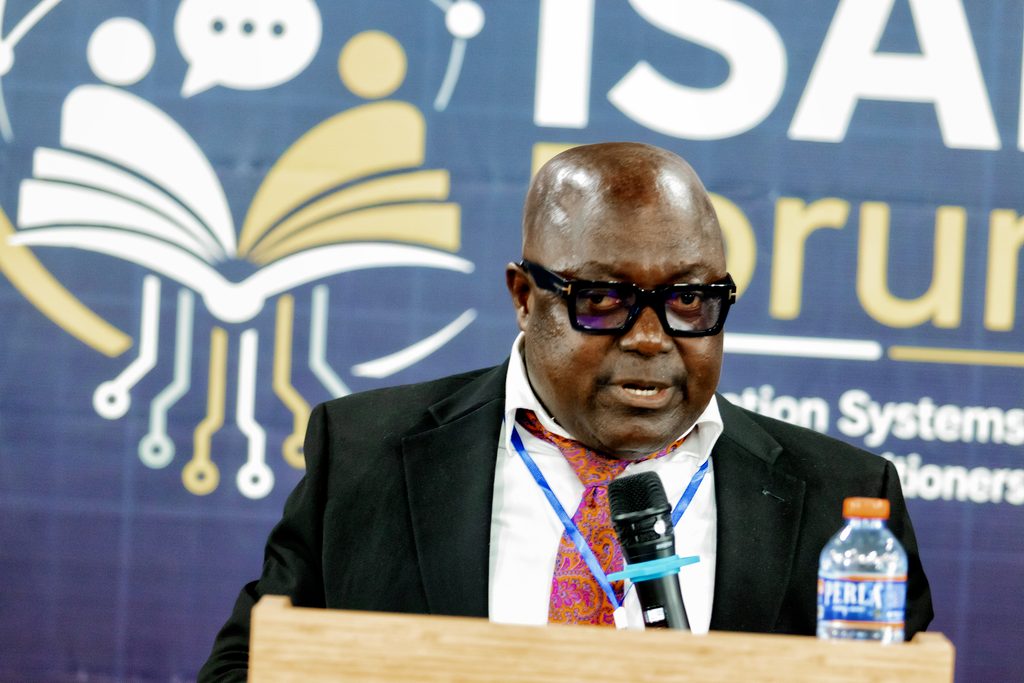
Prof. Attafuah described the Ghana Card as a “single source of truth” for verifying citizens’ identities and stressed the importance of building public confidence in the system.
“It is a foundation of trust,” he said, urging stakeholders to focus not only on the establishment of the identification system but also on how to make it work effectively for citizens and the country.
Prof. Attafuah further called on the government to treat the national identification system as a major national infrastructure project, rather than simply as another government programme, given its importance to the functioning of the country’s digital economy and public services.
He also advocated greater inclusivity in the national identification process, stressing the need to ensure comprehensive enrolment, including children, Ghanaians living abroad and persons in marginalised and underserved communities.

The discussions at the maiden ISAP Forum reflected the growing importance of digital identity to Ghana’s socioeconomic development, particularly in an environment where government services, financial transactions, social protection and other essential services are increasingly dependent on reliable identity verification.
The forum is expected to contribute to ongoing national conversations on building a secure, inclusive, interoperable and trusted identification ecosystem, while strengthening collaboration among academia, government, industry and other stakeholders.