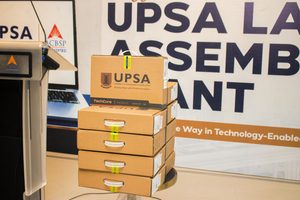
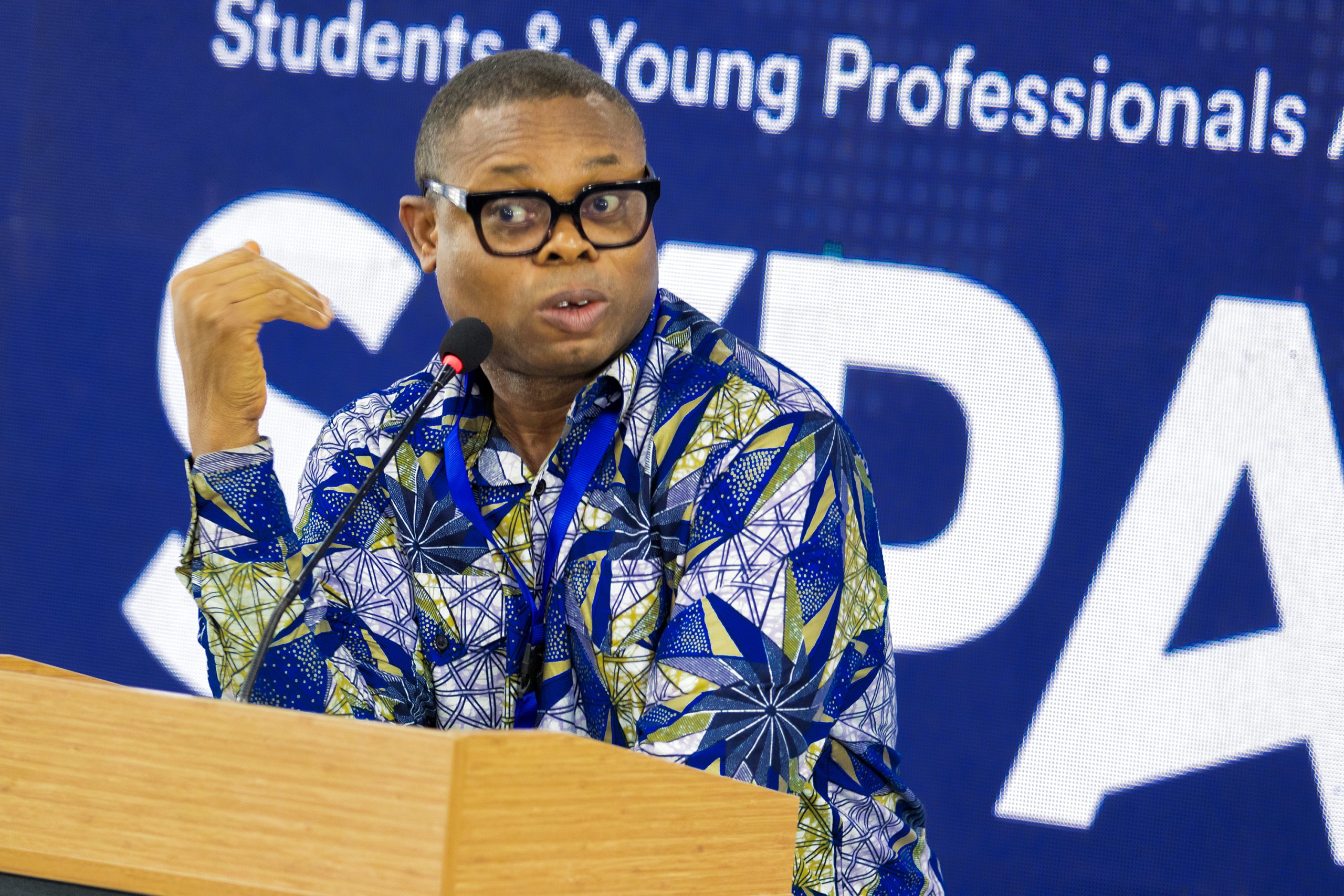
The University of Professional Studies, Accra (UPSA), in collaboration with the IMANI Center for Policy and Education, has commenced the 12th Students and Young Professionals African Liberty Academy (SYPALA 2026), bringing together 100 young Africans across the Continent for a four-day engagement on Africa’s economic and governance challenges.
The academy, being held from Monday, August 24 to Friday, August 28, 2026, is being organised under the theme, “Africa’s Ascent: Forging Resilient Economies and Inclusive Governance.”
The programme seeks to expose young participants to critical policy, economic and governance issues while equipping them with the knowledge and skills to contribute meaningfully to Africa’s development.
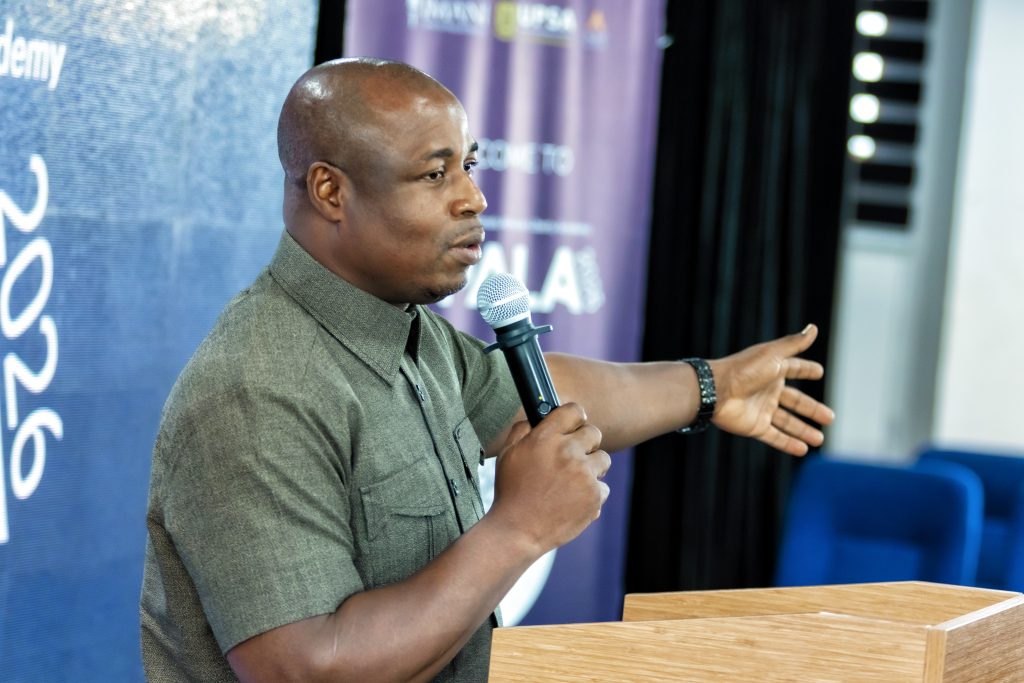
Speaking at the opening ceremony, the Vice-Chancellor of UPSA, Prof. John Kwaku Mensah Mawutor, said the programme was more than a conference, describing it as an opportunity to shape the next generation of leaders and global thinkers.
Prof. Mawutor said Ghana’s challenge was not a shortage of policies but a shortage of people with the capacity to critically examine policies and translate them into practical solutions.
He therefore called for a shift in the mindset of young people from being passive recipients of opportunities to becoming innovators, problem-solvers and active contributors to national development.
“At UPSA, we believe that a University is not judged only by the knowledge it produces, but by the problems that the knowledge is able to solve,” Prof Mawutor said.
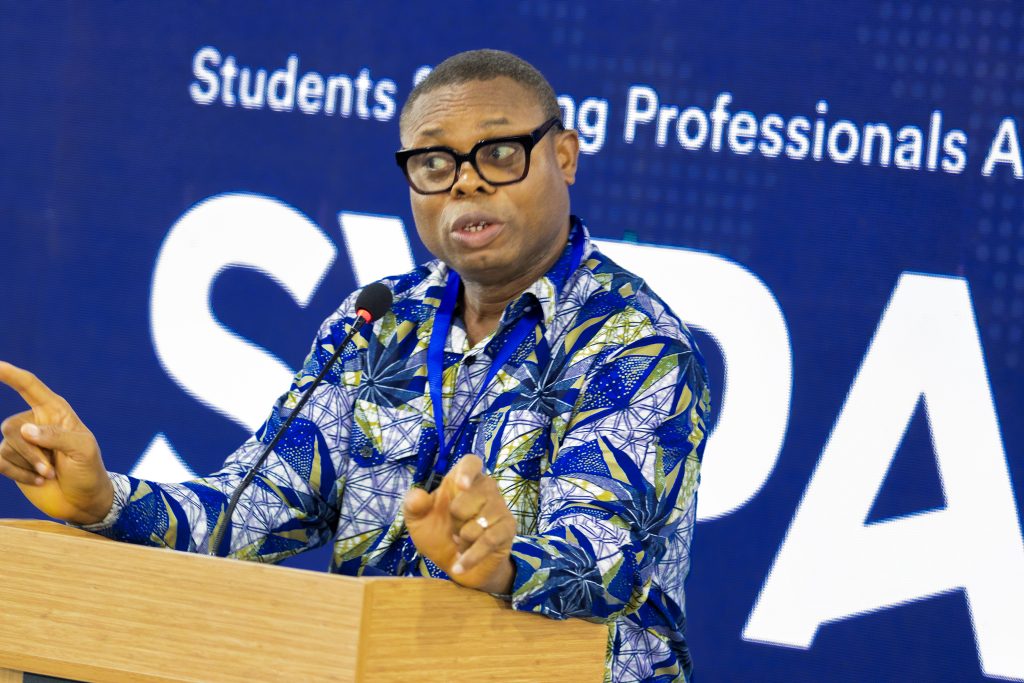
The Founding President of IMANI, Mr Franklin Cudjoe, also challenged the participants to recognise the importance of ideas and innovation in Africa’s quest for economic prosperity.
He noted that winning the next global economic war would not be determined solely by natural resources but by the quality of ideas and the ability to translate those ideas into practical solutions.
Mr Cudjoe argued that Ghana and Africa had no excuse not to achieve economic prosperity, pointing to the continent’s vast arable land and other resources as significant opportunities that could be harnessed through innovative thinking and effective policy.
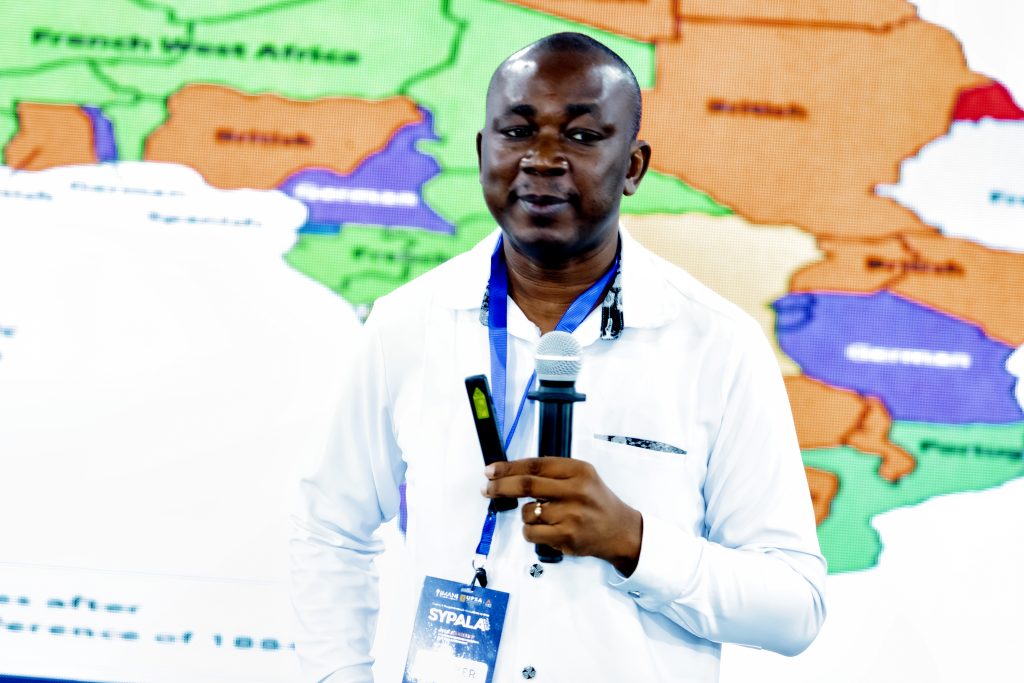
Delivering a presentation on “Building Resilient Economies to Enhance Inclusive Governance in Africa,” Prof. Godfred Bokpin stressed the need for African countries to reconsider development models that rely heavily on natural resources.
He argued that economic growth based predominantly on natural resources was unsustainable, and called for a new development model driven by innovation, ideas and human capital.
Prof. Bokpin noted that Africa has the youngest population in the world, making the youth central to the continent’s development prospects.
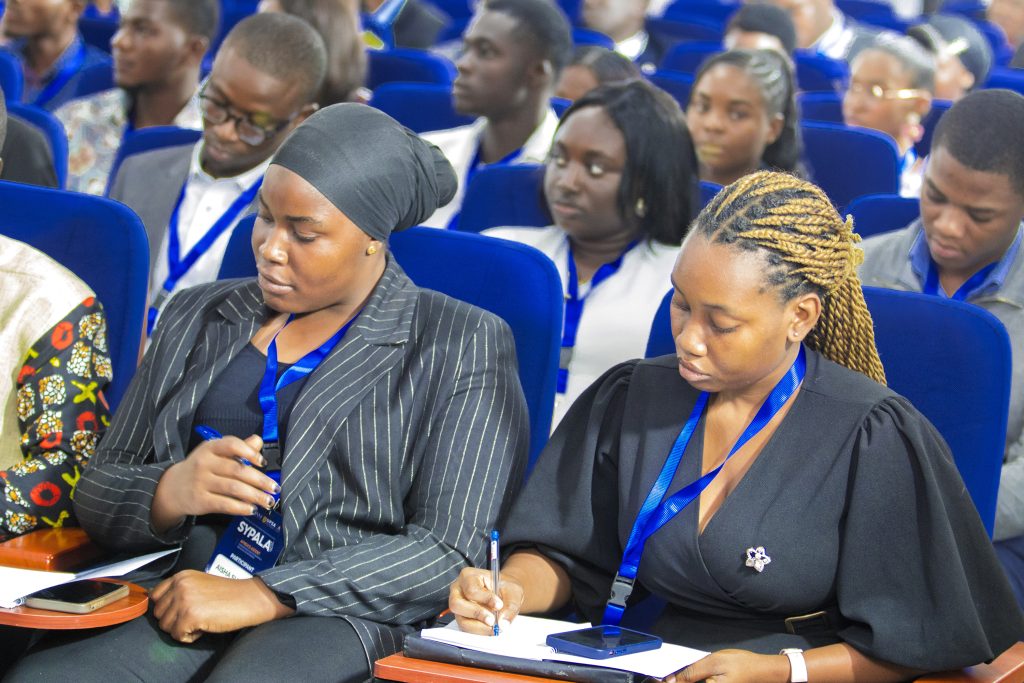
He urged young people to take responsibility for transforming the country, emphasising that the power to shape Ghana’s future rests largely in their hands.
He further noted that effective leadership at all levels could contribute to good governance, which in turn could promote economic growth, development and progress that would ultimately reflect in people, planet, peace and prosperity.
Meanwhile, Mr Leslie Dwight Mensah, a Macro and Public Finance Research Economist and Member of the Ghana Fiscal Council, engaged participants on the topic “Why Most African Nations Rank Poorly on Varied Global Economic Indices.”
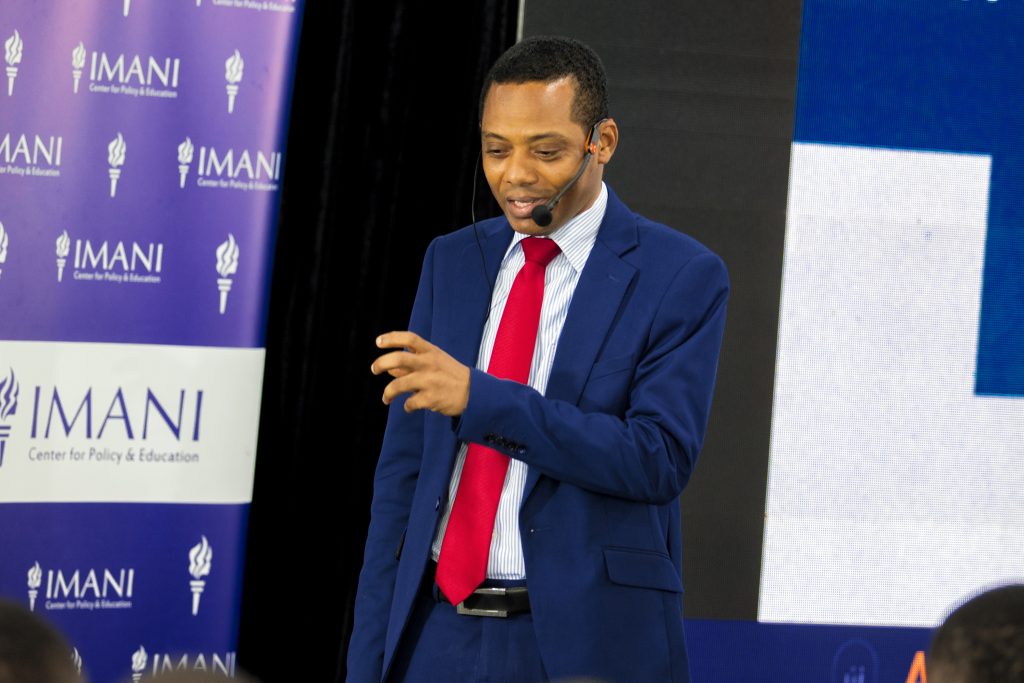
His presentation examined some of the factors influencing Africa’s performance on global economic indicators and was intended to stimulate critical thinking among the young participants about the continent’s economic position and development trajectory.
The four-day SYPALA 2026 provides a platform for participants to engage policymakers, economists, academics and development experts on issues relating to economic resilience, inclusive governance, leadership, innovation and Africa’s development.
The academy is expected to conclude on Friday, August 28, 2026.