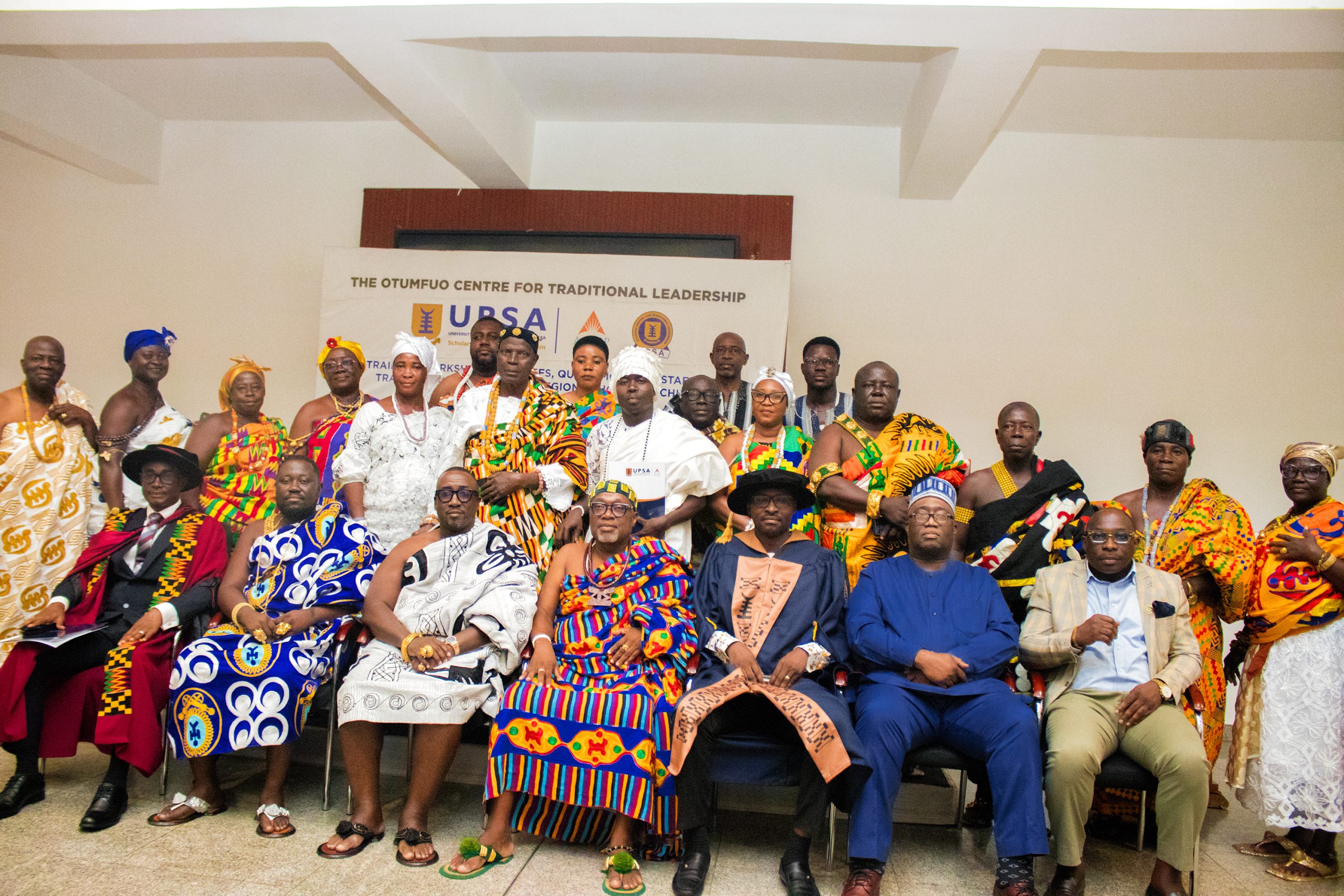
The University of Professional Studies, Accra, through its Otumfuo Centre for Traditional Leadership (OCTL), has held a graduation ceremony for 35 traditional leaders and administrators after a five-day intensive leadership training workshop. The ceremony, held on Friday, 22 May 2026, at the Kofi Ohene Konadu Auditorium, brought together chiefs, queen mothers, staff of traditional councils and representatives of Regional Houses of Chiefs.
The participants were awarded diplomas and certificates after completing modules in strategic leadership, networking and negotiation skills, land administration, record keeping, conflict resolution and community development.
Speaking at the ceremony, the Pro Vice-Chancellor of UPSA, Professor Emmanuel Selase Asamoah, reaffirmed the University’s commitment to strengthening traditional institutions and supporting their contribution to national development.
“As a University, we are committed to contributing to the development of traditional institutions,” he stated.
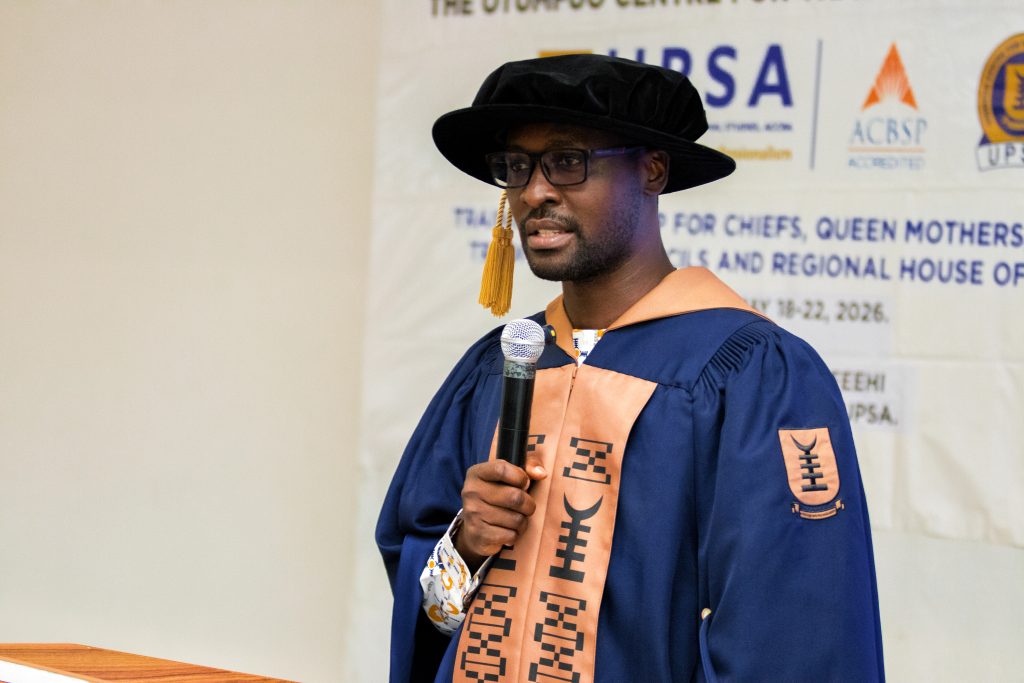
Professor Asamoah explained that UPSA considers capacity-building for traditional leaders an important pathway for sustaining the chieftaincy institution and enhancing its role in governance, peacebuilding and community transformation.
He added that the University continues to place strong emphasis on ethics and responsible leadership, noting that UPSA had introduced a course in ethics to help groom students in integrity and principled leadership.
Former Attorney-General and Chairman for the occasion, Mr Joe Ghartey, underscored the importance of the chieftaincy institution to Ghana’s governance architecture and called for greater inclusion of chiefs in local governance.
He advocated for expanded roles for chiefs in the adjudication of civil, environmental and chieftaincy-related matters, saying such an arrangement could help reduce pressure on the judiciary.
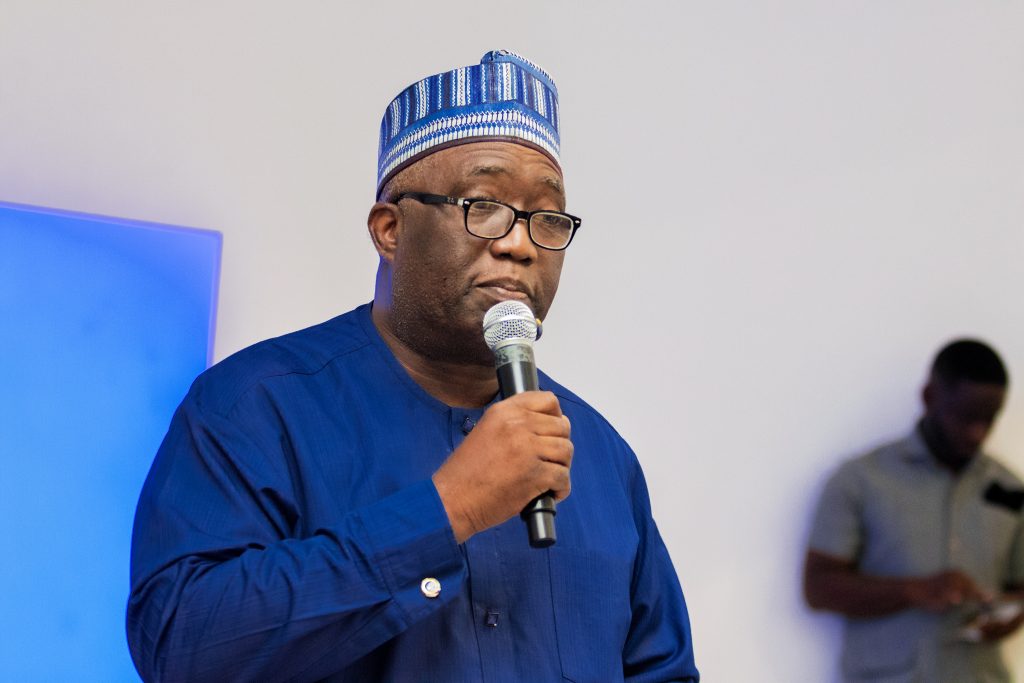
Mr Ghartey also proposed the direct nomination of chiefs and queen mothers to serve at the municipal and district assembly levels as a way of strengthening local governance and deepening community representation.
“If we have entrusted the resources of the state to the President, it is important that we also empower traditional authorities to contribute meaningfully to the governance and development of our nation at the local assembly level,” he said.
The Special Guest of Honour, Nii Ahene Nunoo III, Paramount Chief of the Abola Traditional Area in the Ga State, congratulated the participants on successfully completing the programme.
He urged them to apply the knowledge acquired to promote unity, collaboration and development within their traditional areas.
“This workshop has taught us one thing, that leadership is not a title to be worn, but a responsibility to discharge with trust and honour,” he stated.
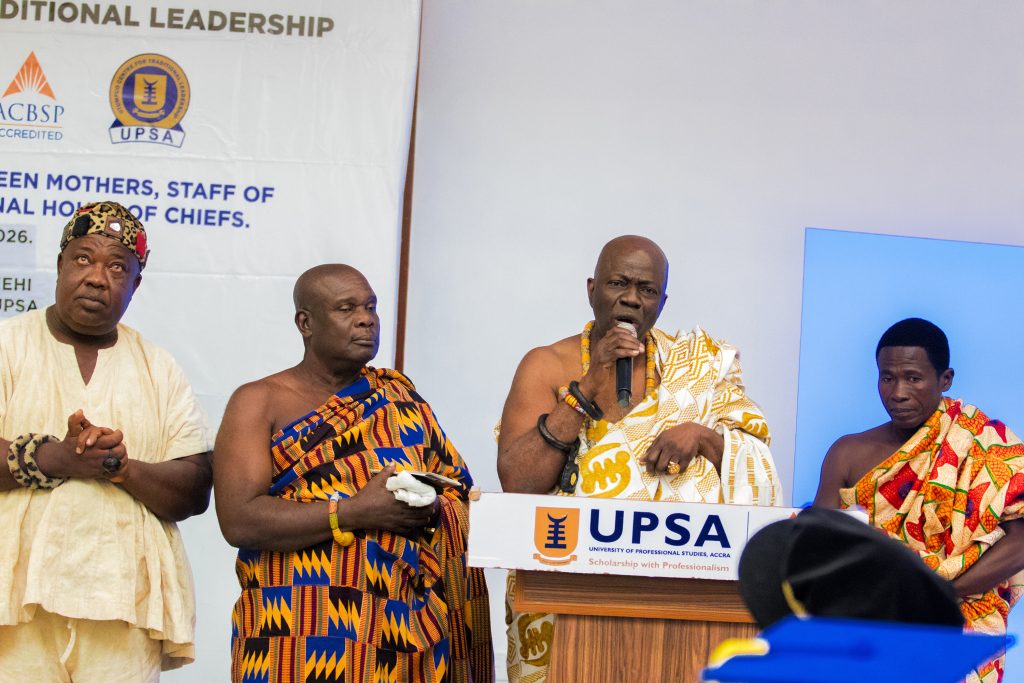
Nii Ahene Nunoo III further encouraged the graduates to avoid exclusivity in the exercise of authority and instead foster cooperation among traditional leaders, institutions and communities.
The Director of OCTL, Dr Gerald Nyanyofio, disclosed that the training marked the 17th edition of the Centre’s leadership programme for traditional leaders and administrators.
He said the programme had deepened participants’ understanding of contemporary leadership and sharpened their capacity to respond to emerging challenges within the chieftaincy institution.
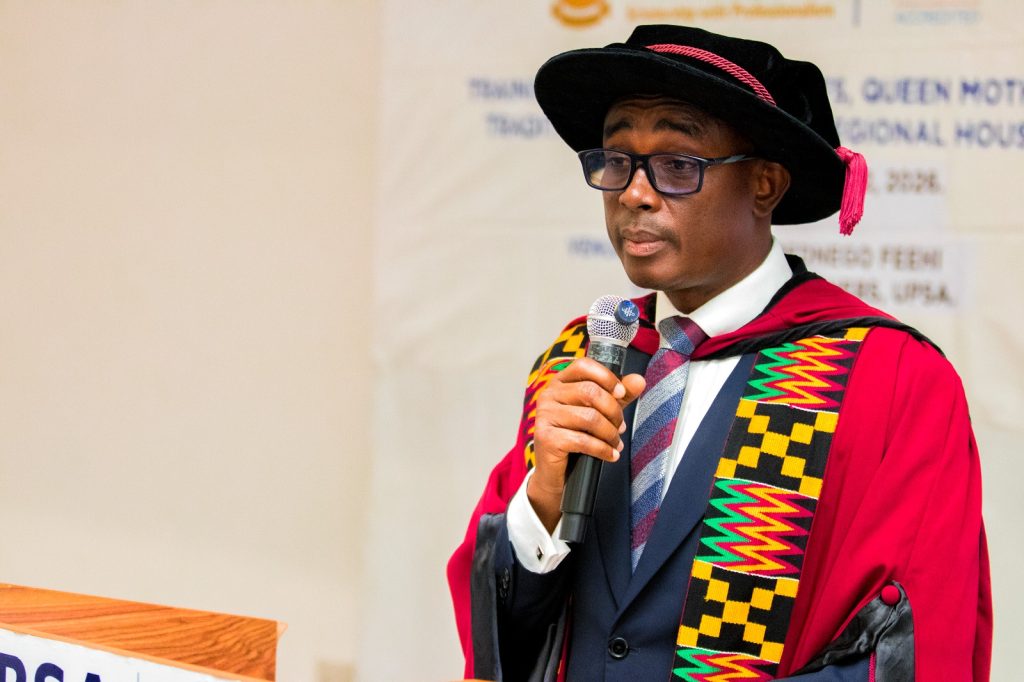
According to him, the training continues to bridge the gap between customary leadership and modern governance practices by equipping traditional authorities with practical tools for administration, conflict resolution and community development.
For his part, the Paramount Chief of Akwamu Adumasa, Nana Ansah Quao IV, observed that although times had changed, the core principles of traditional leadership remained relevant.
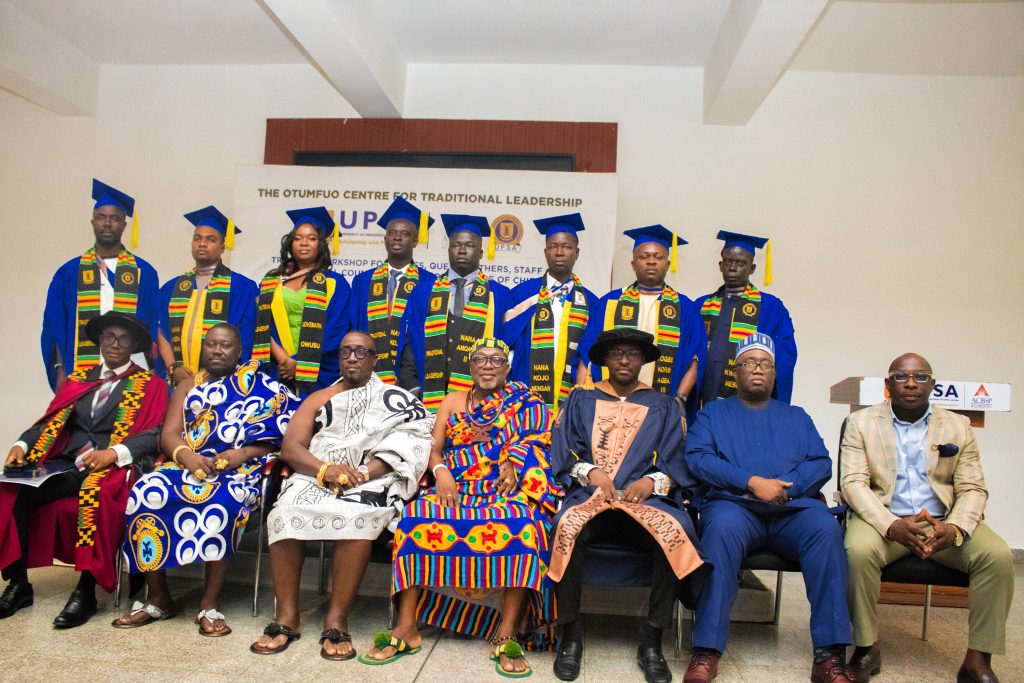
He urged the graduates to remain committed to integrity, fairness, accountability and service to their people, stressing that traditional leadership must continue to serve as a force for unity, justice and development.