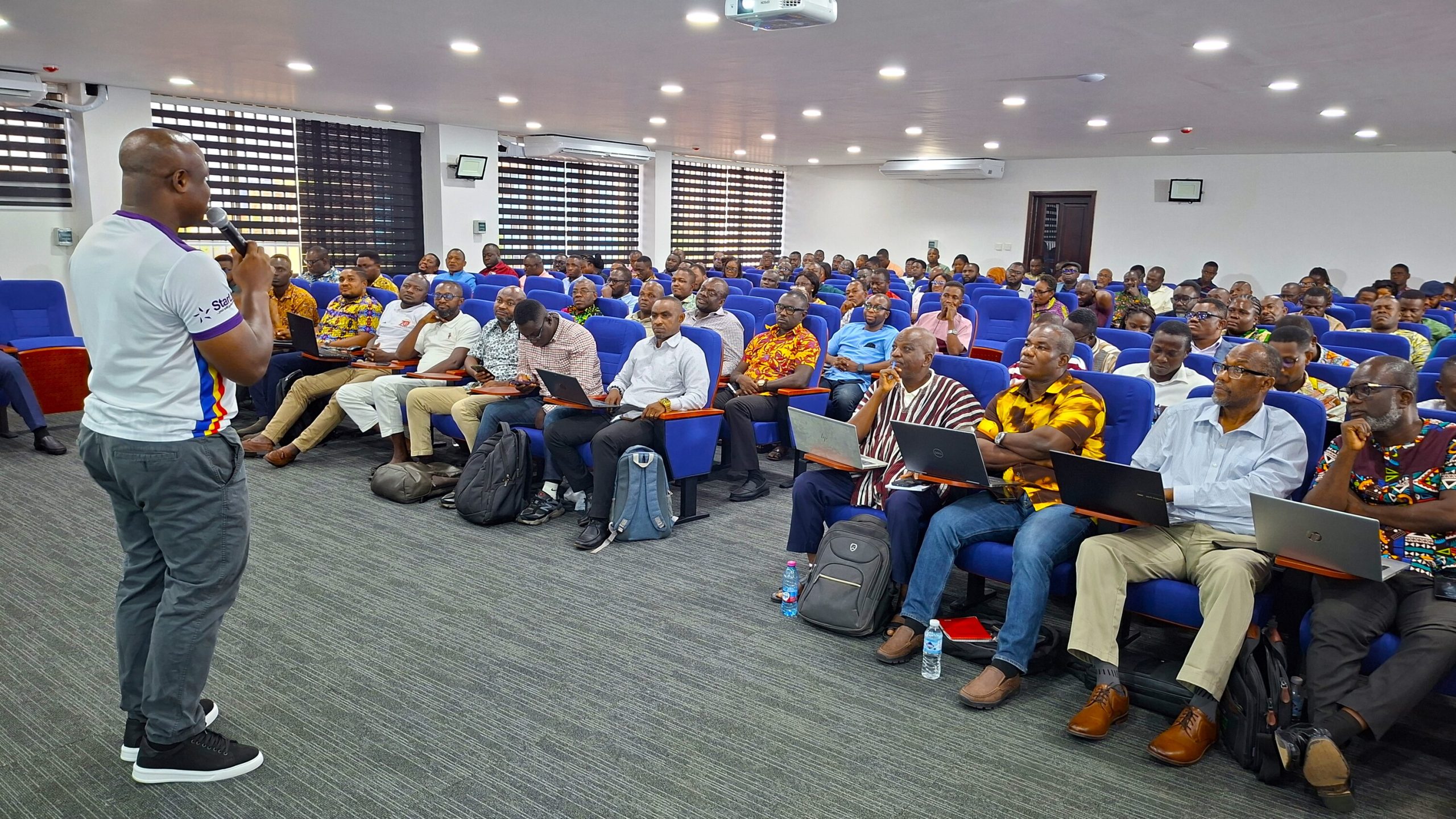
The University of Professional Studies, Accra (UPSA), has organised an intensive training workshop on AI-enabled learning and innovative teaching for adjunct lecturers, aimed at enhancing teaching quality and improving student learning outcomes.
The one-day capacity building sought to equip lecturers with relevant skills and practical tools to move away from traditional, content-heavy teaching methods towards innovative, learner-centred approaches that promote critical thinking, problem-solving and active student engagement.
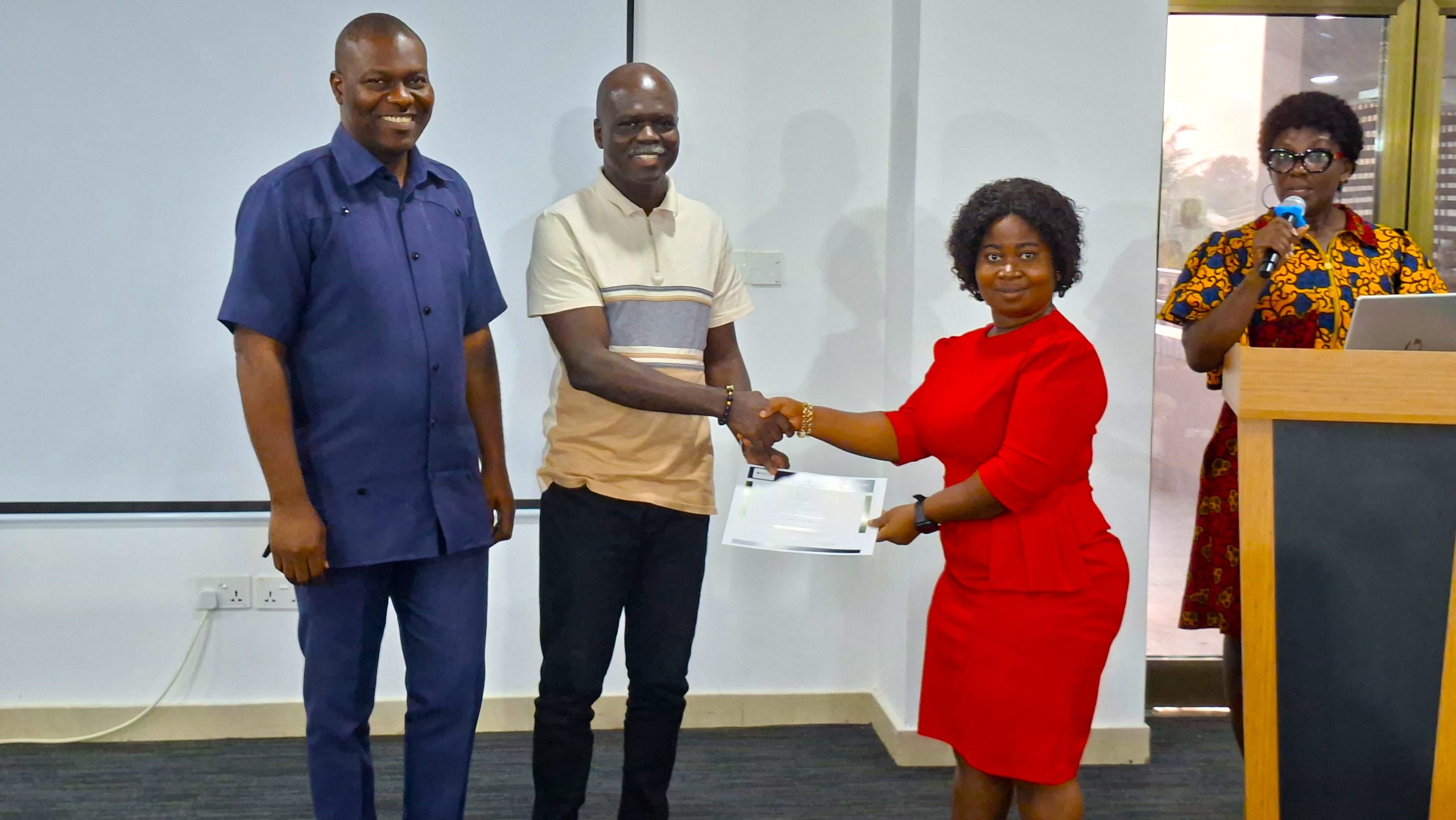
Speaking at the event on Saturday, January 24, the Vice-Chancellor of UPSA, Prof. John K.M. Mawutor, commended the adjunct lecturers for their invaluable contribution to teaching and learning at UPSA, noting that they play a key role in complementing the work of full-time faculty.
He reaffirmed Management’s commitment to continuous professional development as a means of sustaining academic excellence.
Prof. Mawutor explained that the training forms part of a series of in-service and periodic refresher programmes designed to keep lecturers abreast of contemporary pedagogy, emerging technologies and best practices in higher education.
He added that the initiative is intended to strengthen student-centred learning, research supervision and quality assessment.
“In this digital age, innovative teaching is no longer optional,” Prof Mawutor stressed. “It is essential to how we prepare students for a rapidly evolving world. As a University, we must continually equip our lecturers with the right skills and tools to deliver learner-centred education that is relevant, engaging and impactful.”
The workshop featured expert-led sessions on innovative pedagogy and digital learning.
Senior Lecturer at the Department of Accounting, Dr. Redeemer Krah facilitated a session on problem-based and project-based learning, encouraging lecturers to adopt approaches that expose students to real-life challenges.
He explained that the methodology is learner-centred, with lecturers serving mainly as facilitators of knowledge.
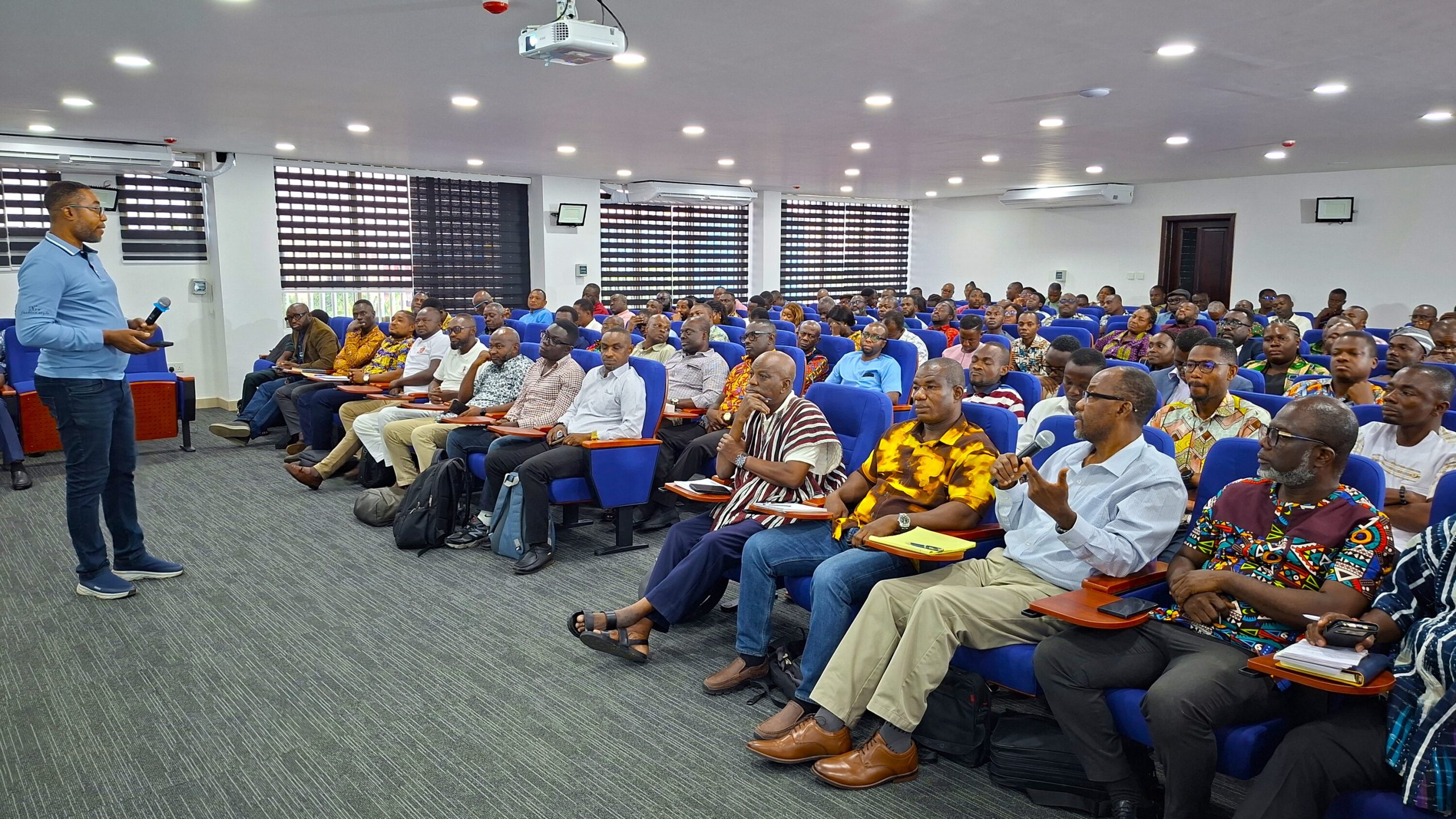
Director of DIMC, Dr. Edwin Tetteh Ayernor led a practical session on the development of interactive online courseware, highlighting the transformation of the UPSA Virtual Learning Management System into an engaging platform that supports effective teaching and enriches student learning outcomes.
On the responsible use of artificial intelligence, Dr. Jeremiah Osei-Kwakye, demonstrated how AI tools can support teaching and learning, including course design, instructional materials and assessment. He urged lecturers to develop
effective prompting skills while adhering to ethical standards in the use of AI.
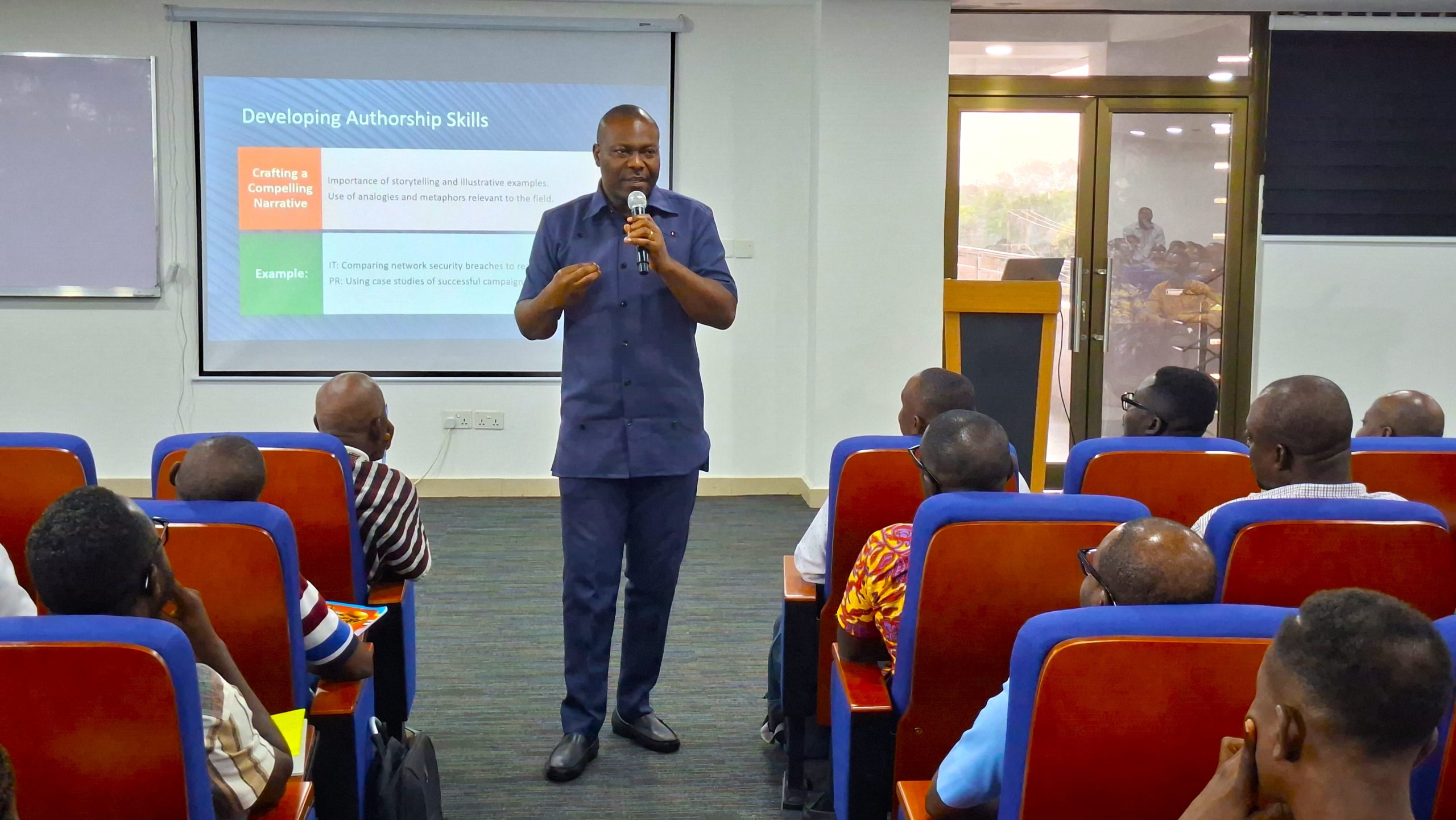
Also addressing participants, Prof. Samuel Antwi introduced the Faculty Book Authorship Project, encouraging adjunct lecturers to deepen their subject-matter expertise and develop authorship skills for scholarly writing and academic
publishing.
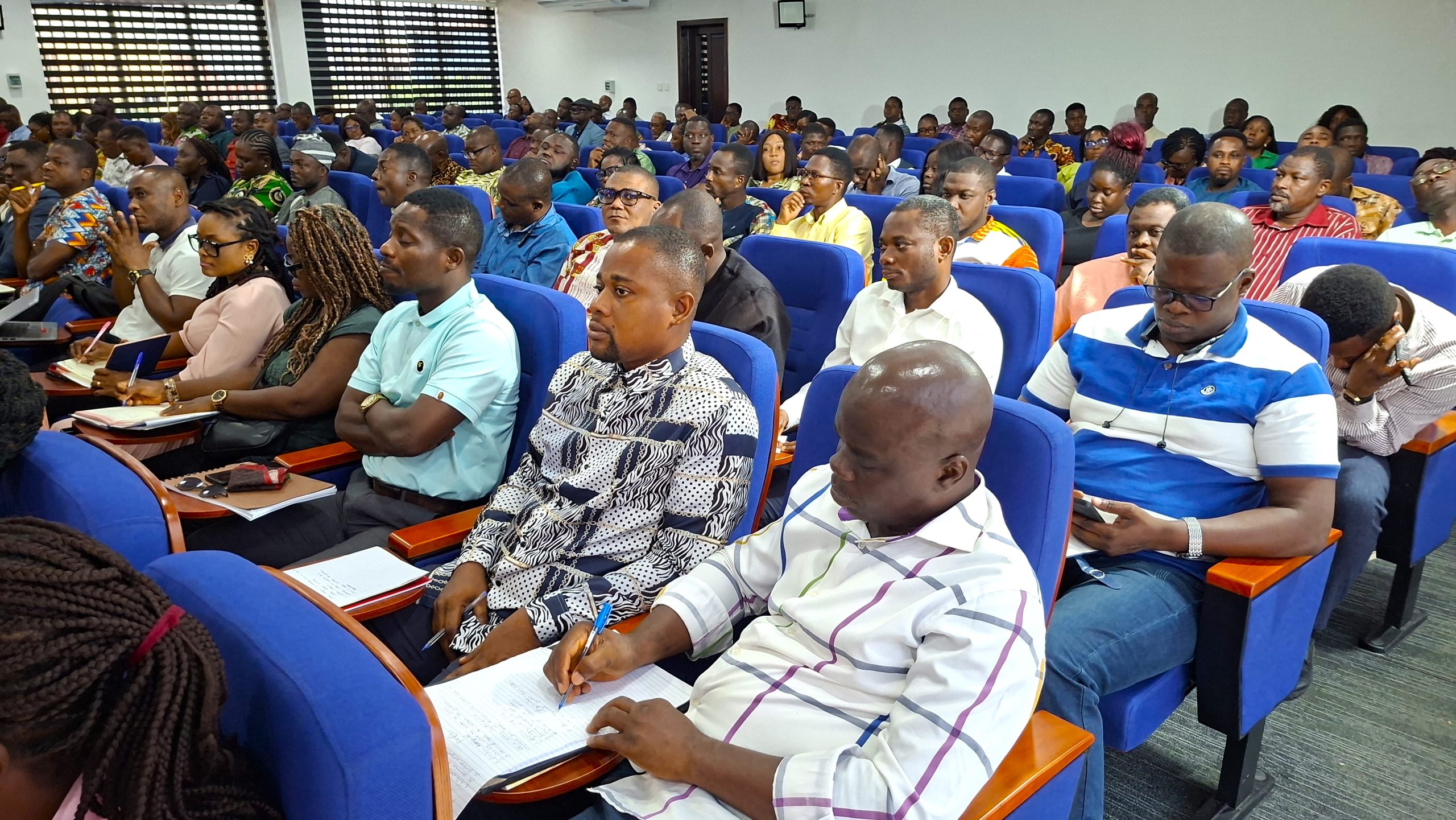
The workshop was attended by over 200 adjunct lecturers from various faculties and schools, underscoring UPSA’s commitment to faculty development and innovative, technology-driven teaching and learning.