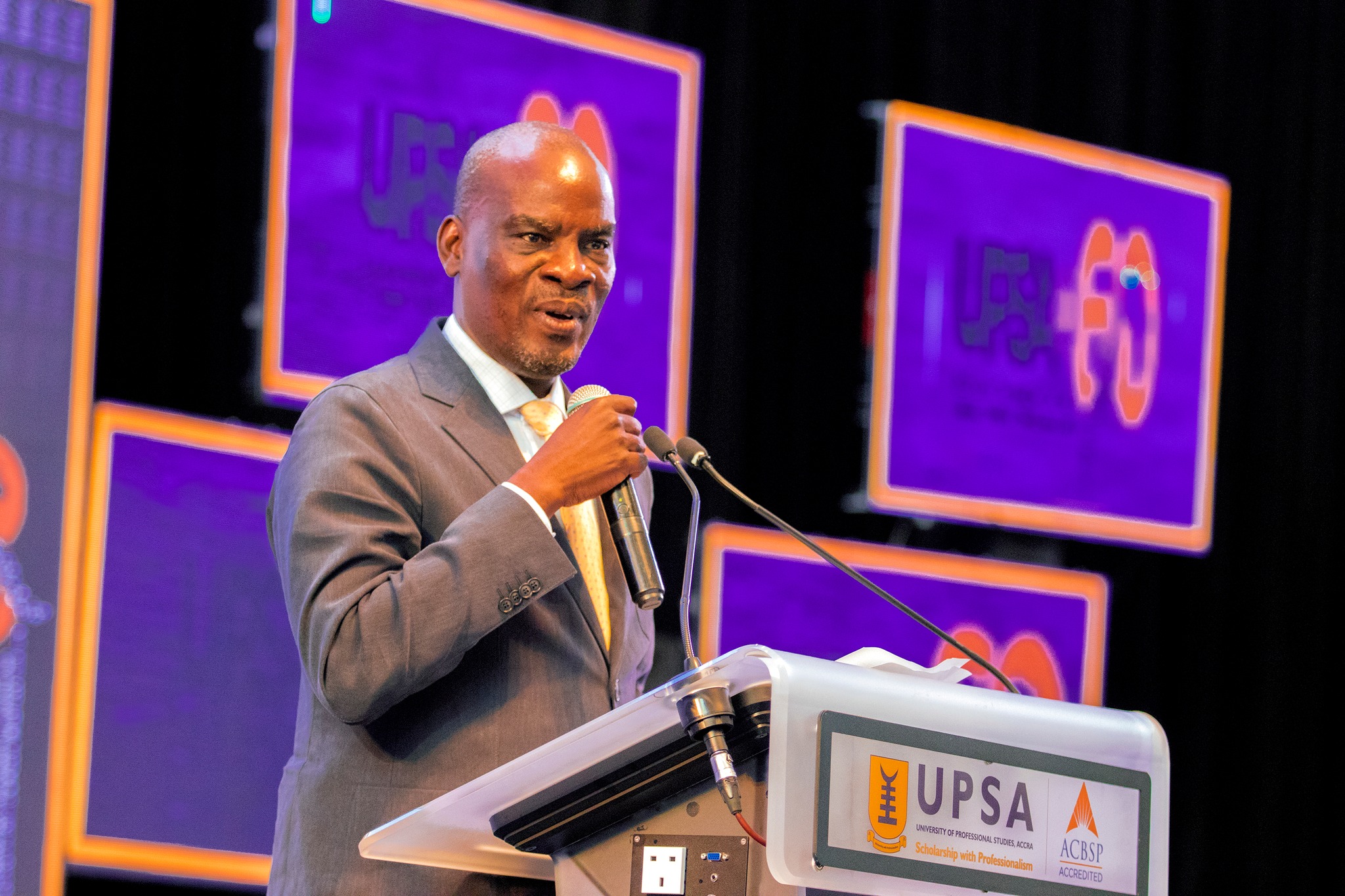
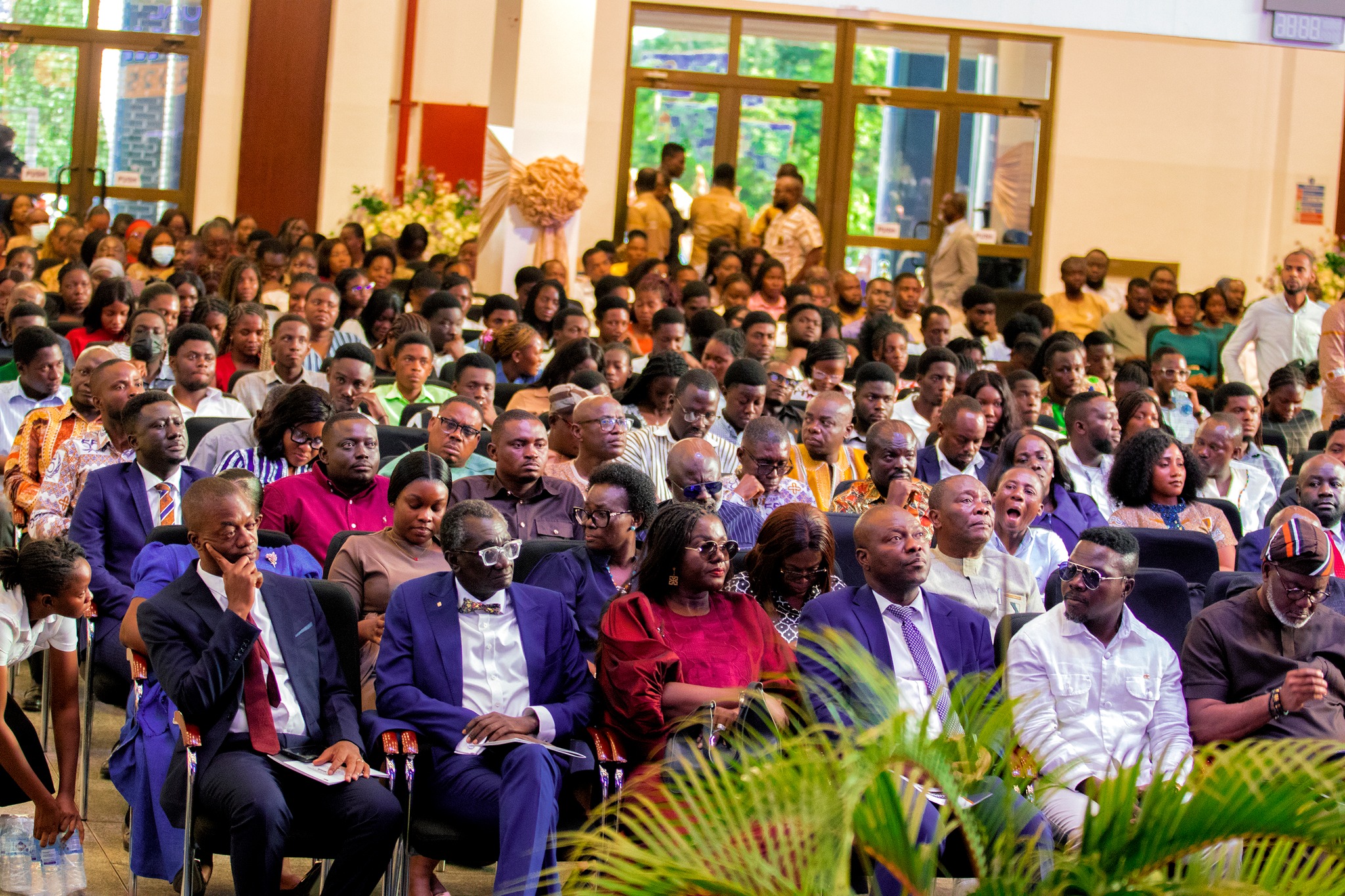
Minister of Education Haruna Iddrisu has commended the University of Professional Studies, Accra (UPSA), for creating a platform that fosters critical discussions on global economic shifts and their implications for Africa’s future.
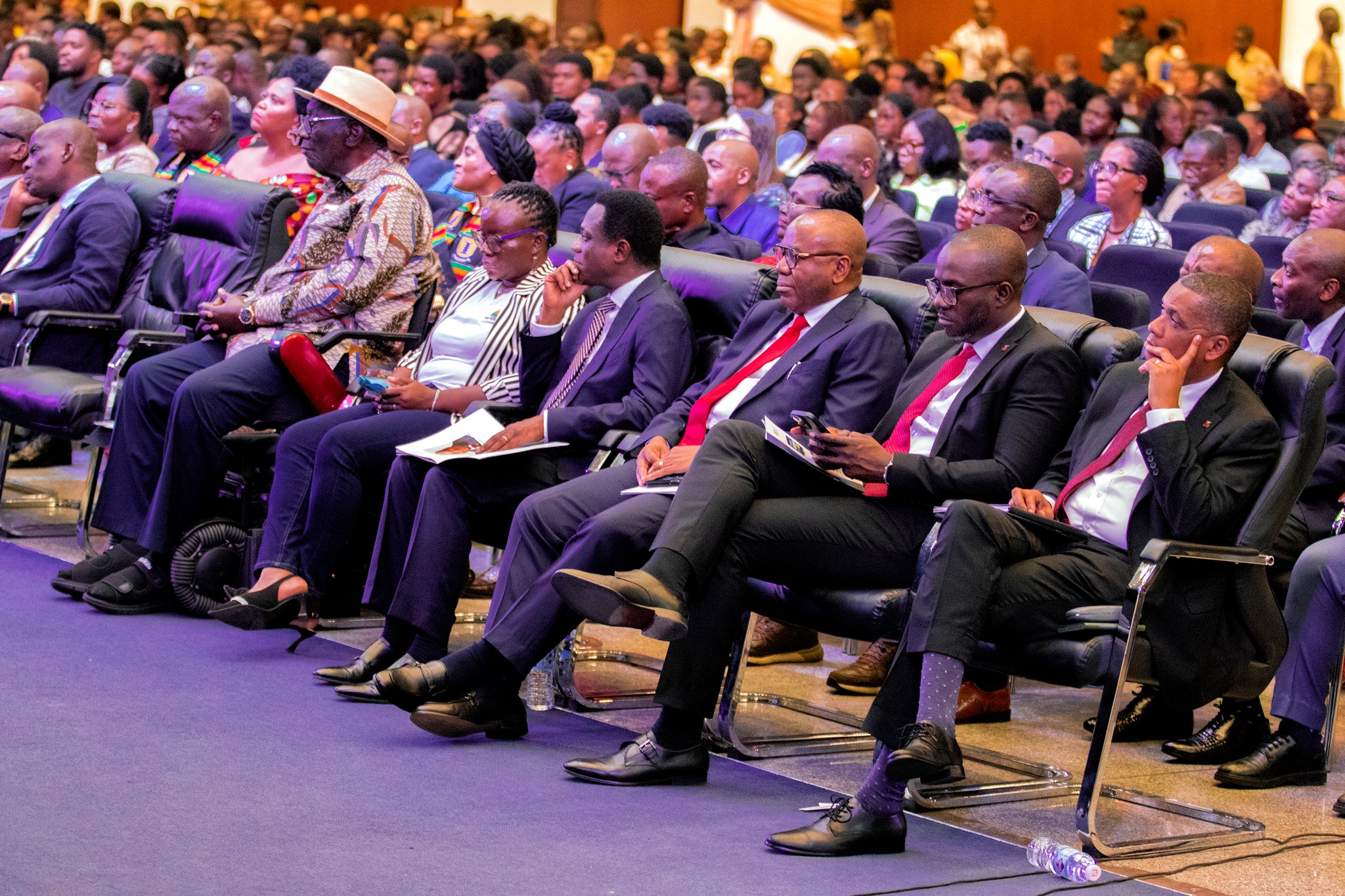
Speaking at the 2025 UPSA Annual Leadership Lecture held on Tuesday, August 19, the Minister described the theme of this year’s lecture — “The geopolitics and geo-economics of de-dollarisation: BRICS currency strategy, lessons for Africa’s common currency and beyond” — as both timely and relevant.
He noted that it comes at a period when Ghana and the wider continent are grappling with challenges of economic independence amid the “epileptic fall” of the dollar, which continues to drive up the cost of doing business.
Mr. Iddrisu asked? “How come cocoa producers import expensive chocolate? How come cobalt producers import expensive batteries? How come sugar cane producers import expensive sugar? How come tomato producers import expensive tomato paste? And how come uranium producers are paying for expensive electricity? More importantly, how come gold producers import expensive gold jewels?”
He stressed that Africa’s paradox of resource wealth and economic struggle underscores the urgency of pursuing policies that advance self-reliance and sovereignty in trade, industry, and finance.
The Minister also reflected on his own connection to UPSA, recalling his days as a lecturer at UPSA, where he taught commercial and contract law.
He paid tribute to former National Security Minister Kan Dapaah, whom he credited as a strong advocate for the recognition and elevation of UPSA into a fully-fledged university during the late President J.E.A. Mills’ administration.
Mr Iddrisu praised UPSA’s remarkable transformation from its modest beginnings in 1965 as the Institute of Professional Studies (IPS), established under the vision of Nana Opoku Ampomah, into a leading academic centre for excellence and innovation today.