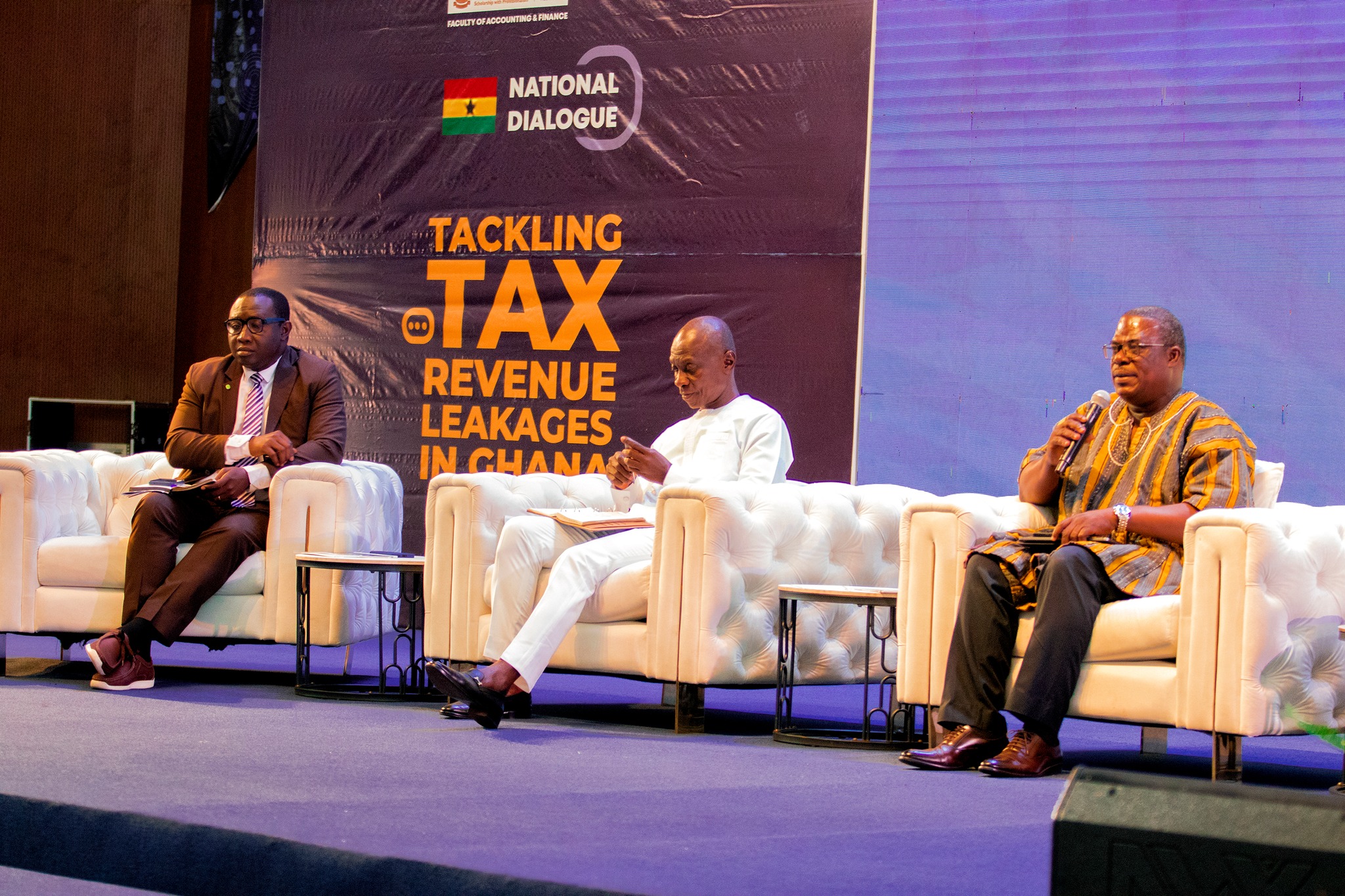
Financial experts and policymakers have called for swift and comprehensive adoption of digital tools and technologies to plug tax revenue leakages in Ghana.
Speaking at a national dialogue hosted by the UPSA Faculty of Accounting and Finance, the experts emphasised the need to leverage technology to enhance transparency, improve compliance, and increase domestic revenue mobilisation.
Dean of the Faculty of Accounting and Finance, Prof Isaac Boadi, revealed that Ghana loses over $9 billion annually due to revenue losses stemming from corruption, tax evasion, and illicit financial flows.
He stressed that bold technological interventions are essential to addressing these systemic issues.
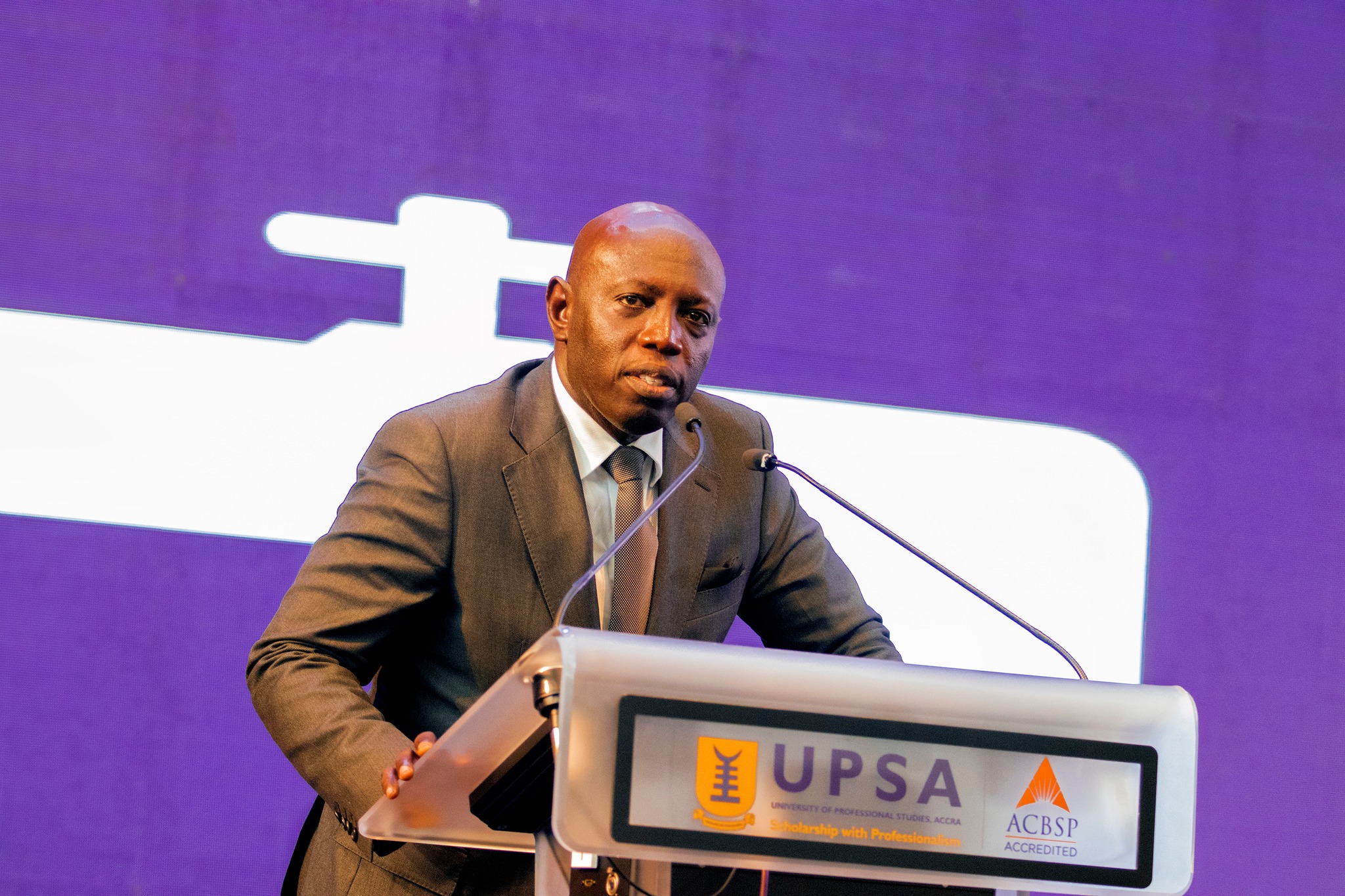
“Ghana already knows where it’s bleeding. What is needed now is digital courage—not just political rhetoric,” Prof Boadi stated. “Digitisation is not just a technical upgrade; it’s a battle against institutionalised theft.”
Prof Boadi disclosed that Ghana could increase its tax to GDP ratio by 3-4 percent if the loopholes in the tax revenue system are sealed.
Former President John Agyekum Kufuor, in a speech read on his behalf, reiterated the need to streamline and modernise tax agencies, urging government to maintain consistency and political will in reform implementation.

“There must be transparency in tax reporting—people need to know how much is collected and where it goes,” he stated.
Former Finance Minister Mohammed Amin-Adam cautioned against the risks of overreliance on external financing, noting that sovereignty is compromised when a nation cannot fund its development.
“When we can finance our own development, we can dictate our terms and set our own priorities,” he said. “We must either strengthen tax compliance today or continue sacrificing our resources and sovereignty tomorrow.”
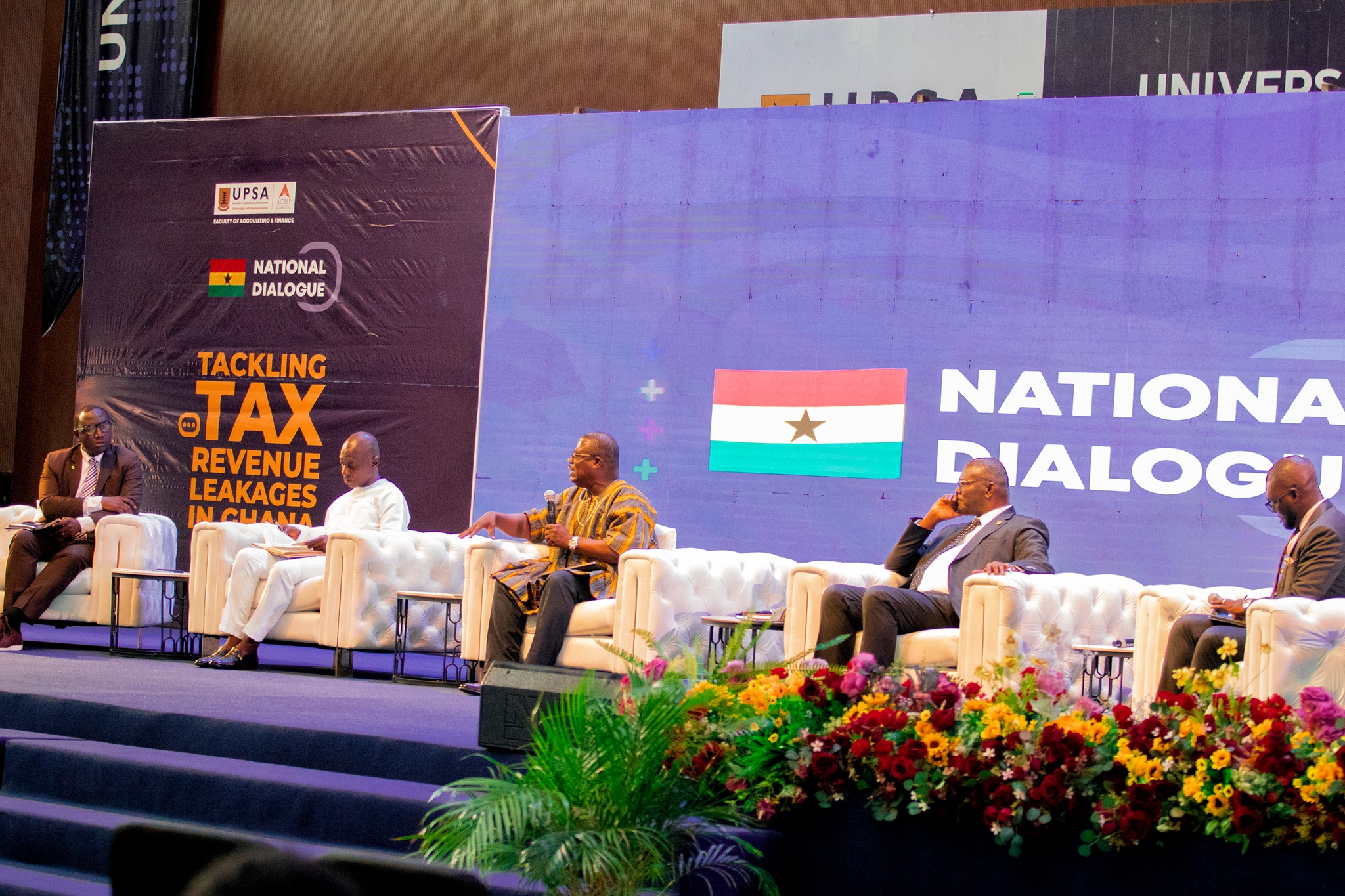
He also advocated for the broadening of the tax base by formalising the informal sector, improving enforcement, and encouraging voluntary compliance, while warning that unjustified tax increases could trigger political unrest.
Dr Eric Boachie Yiadom, a financial economist and senior lecturer at UPSA, projected that Ghana could achieve a 20% tax-to-GDP ratio by 2027 if the Ghana Revenue Authority effectively adopts and applies modern digital tools.
For his part, the Vice-Chancellor of UPSA, Professor John Kwaku Mensah Mawutor, underscored the urgent need for a collective national response to address Ghana’s persistent tax revenue leakages.
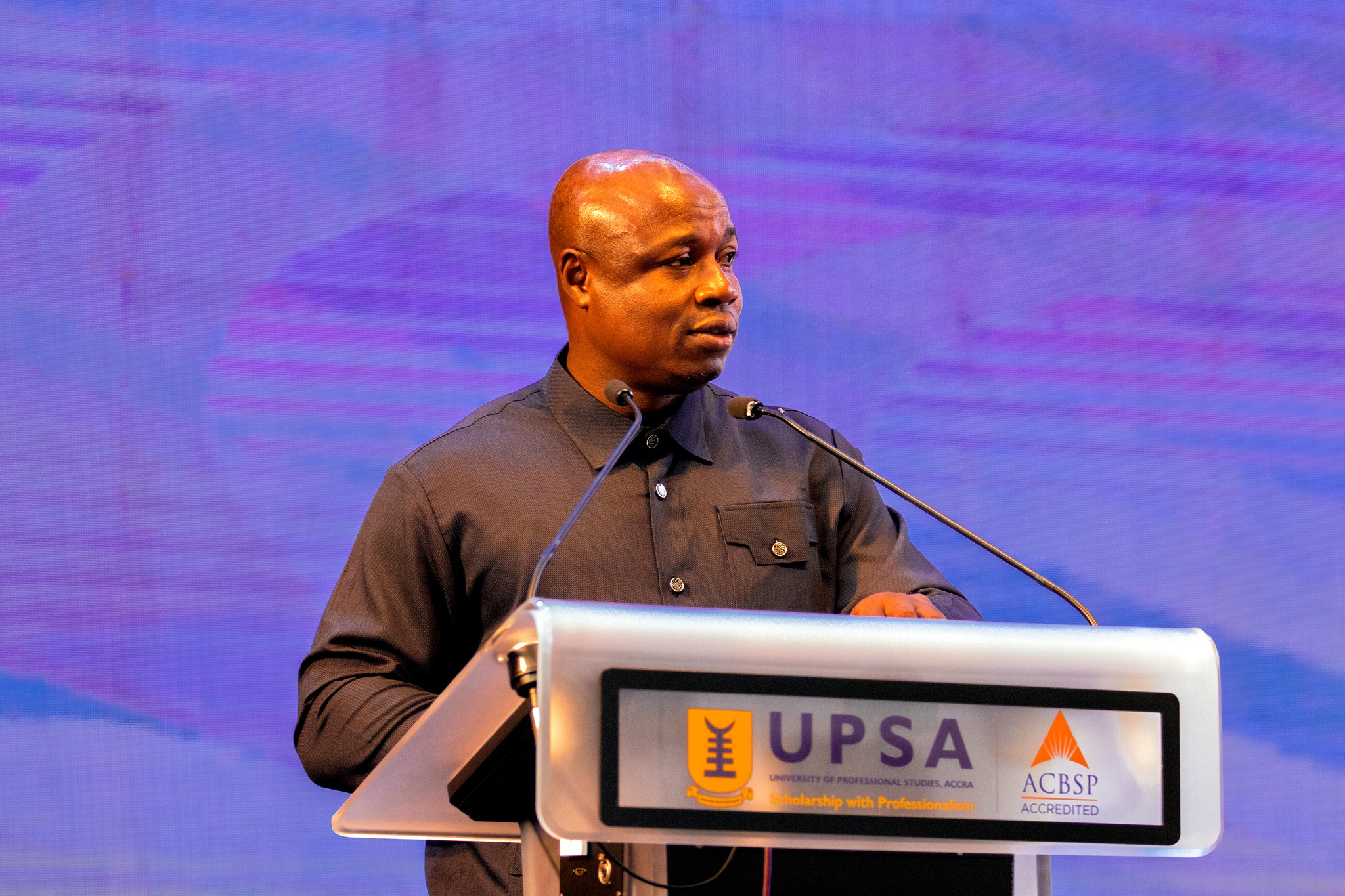
He stressed that Ghana’s economic future depends on bold, coordinated efforts to seal the cracks in its tax system.
He also noted that although successive governments have introduced reforms to address tax inefficiencies, results have often fallen short due to limited collaboration and implementation gaps.
“Policy initiatives alone will not suffice,” Prof Mawutor stated. “Central to our progress must be partnership across all sectors—academia, government, the private sector, civil society, and our traditional communities.”
“By sealing the leaks in our tax system, we open the gate to better schools, hospitals, and infrastructure for every Ghanaian.” The VC said.